The Exhaust Manifold Heat Shield is a critical yet often overlooked component in a vehicle’s exhaust and engine bay system. Its primary function is straightforward: to manage and contain the immense radiant heat generated by the exhaust manifold. As exhaust gases exit the engine cylinders and converge in the manifold, temperatures can soar well beyond 1,000°F. Without proper shielding, this intense heat poses significant risks to nearby components.
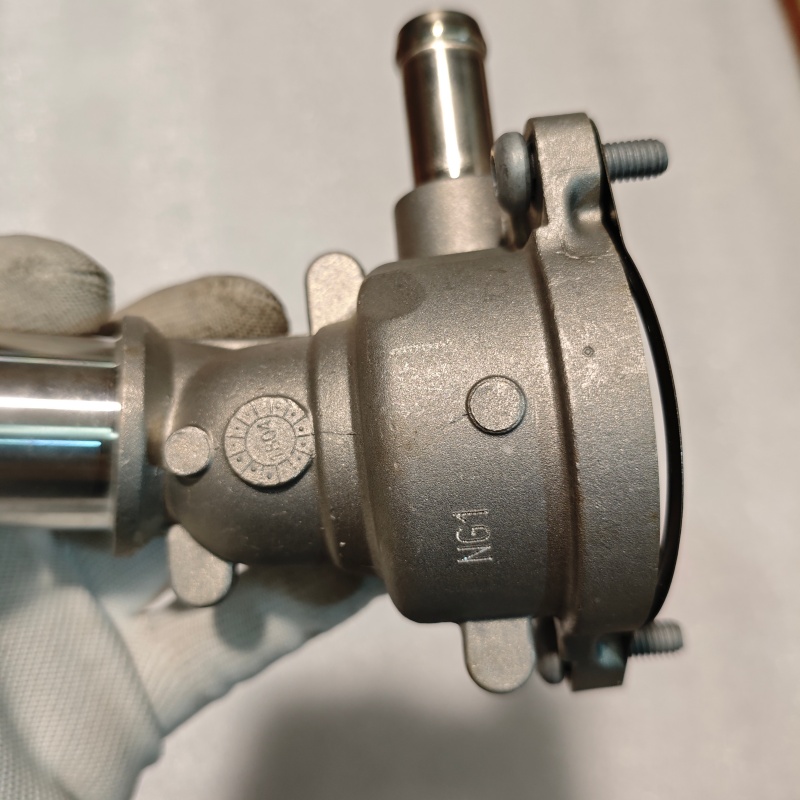
Excessive radiant heat can damage sensitive wiring harnesses, brake lines, and fluid hoses, leading to premature failure and potential safety hazards. It can also contribute to elevated underhood temperatures, negatively impacting engine performance and efficiency. The heat shield acts as a protective barrier, reflecting and dissipating this thermal energy. This protection is vital for maintaining the integrity of adjacent parts and ensuring consistent engine operation. Furthermore, it plays a key role in passenger comfort by reducing the amount of heat transferred to the vehicle’s floorpan.
Typically constructed from durable, heat-resistant materials such as aluminum or stainless steel, often with a ceramic or thermal coating, the exhaust manifold heat shield is designed for longevity in a harsh environment. However, it is susceptible to corrosion, physical damage from road debris, and stress fractures from constant thermal cycling. A compromised shield can lead to increased engine bay temperatures, heat-related component failures, and even noticeable heat inside the cabin. Inspection during routine maintenance is recommended. For optimal vehicle protection and performance, ensuring this essential shield is securely mounted and in good condition is a simple but important step.