Steering Tie Rod Ball Head
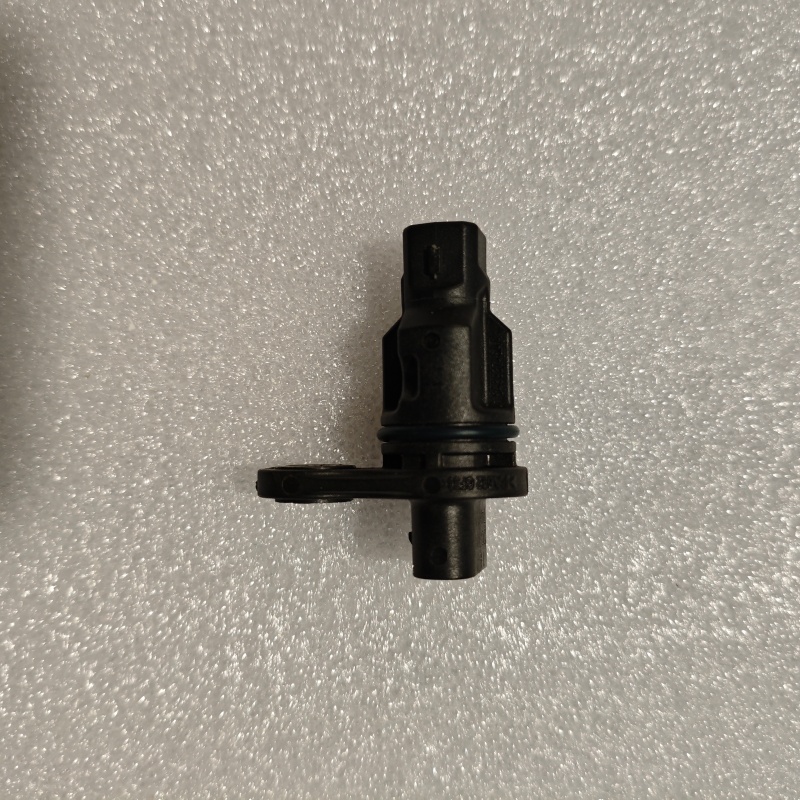
A critical and safety-sensitive component within a vehicle’s steering linkage system, the steering tie rod ball head, often simply called a tie rod end, serves as the essential pivot point connecting the steering rack or center link to the steering knuckle. This ingenious ball-and-socket joint is engineered to provide multi-directional articulation, allowing for smooth and responsive steering input transfer while simultaneously accommodating the up-and-down motion of the suspension. Its design ensures precise wheel alignment and maintains consistent contact between the tire and road surface.
The construction of a high-quality Steering Tie Rod Ball Head typically involves a hardened steel ball stud housed within a durable, wear-resistant socket, often lined with a polymer material for smooth, low-friction movement. This assembly is protected by a robust rubber or thermoplastic boot that retains grease and seals out contaminants like dirt, moisture, and road salt. The integrity of this boot is paramount; once compromised, contamination leads to accelerated wear, resulting in looseness, commonly felt as steering wheel vibration or excessive play.
Regular inspection of this component is vital for vehicle safety and performance. Symptoms of a failing tie rod end include uneven tire wear, vague or imprecise steering, knocking noises from the front suspension during turns or over bumps, and abnormal steering wheel vibration. Replacement is always recommended in axle sets to maintain balanced steering response. For any steering or suspension repair, using OEM-specification or high-performance aftermarket tie rod ends is crucial to restore the vehicle’s original handling precision, alignment stability, and overall driving safety.