A damaged turbocharger can lead to a significant drop in engine performance, and often, the root cause is that the compressor wheel is broken. This critical component, typically made from high-grade aluminum or titanium alloys, is responsible for drawing in and compressing ambient air before forcing it into the engine’s intake manifold. When functioning properly, it enables greater power output and efficiency. However, its high-speed operation within a harsh environment makes it susceptible to damage.
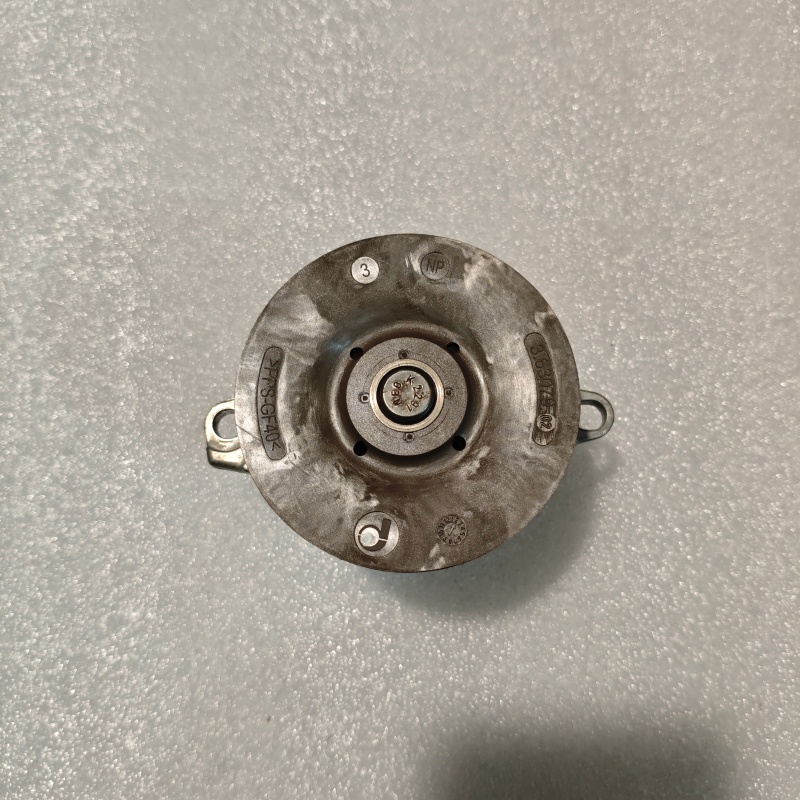
Failure usually occurs due to foreign object damage (FOD), where debris from the intake tract strikes the blades, or due to extreme fatigue over time. Even a small crack or a chipped blade can create a severe imbalance. Symptoms are immediately noticeable: a pronounced loss of power, excessive smoke from the exhaust (often blue or grey), unusual whining or grinding noises from the turbo assembly, and increased oil consumption. The imbalance caused by a broken wheel places tremendous stress on the turbocharger’s shaft and bearings, leading to rapid, catastrophic failure of the entire unit if not addressed.
If you suspect compressor wheel failure, immediate inspection is crucial. Continuing to operate the vehicle will cause further, more expensive damage. Replacement is almost always necessary, as repairing a damaged wheel is not feasible due to the precise balance required. Sourcing a genuine, high-quality replacement compressor wheel or complete turbocharger cartridge is essential for restoring performance and ensuring longevity. Always ensure the intake system is thoroughly cleaned and the air filter is serviced during replacement to prevent a recurrence. Proper diagnosis and repair will restore your engine’s boost, power, and efficiency.