The Steering Column Module Hybrid represents a significant evolution in automotive electrical architecture, specifically engineered for modern hybrid and electric vehicles. This sophisticated component serves as the central nervous system for numerous driver interface and safety functions housed within the steering column. It seamlessly integrates traditional steering controls with the advanced electronic demands of hybrid powertrains.
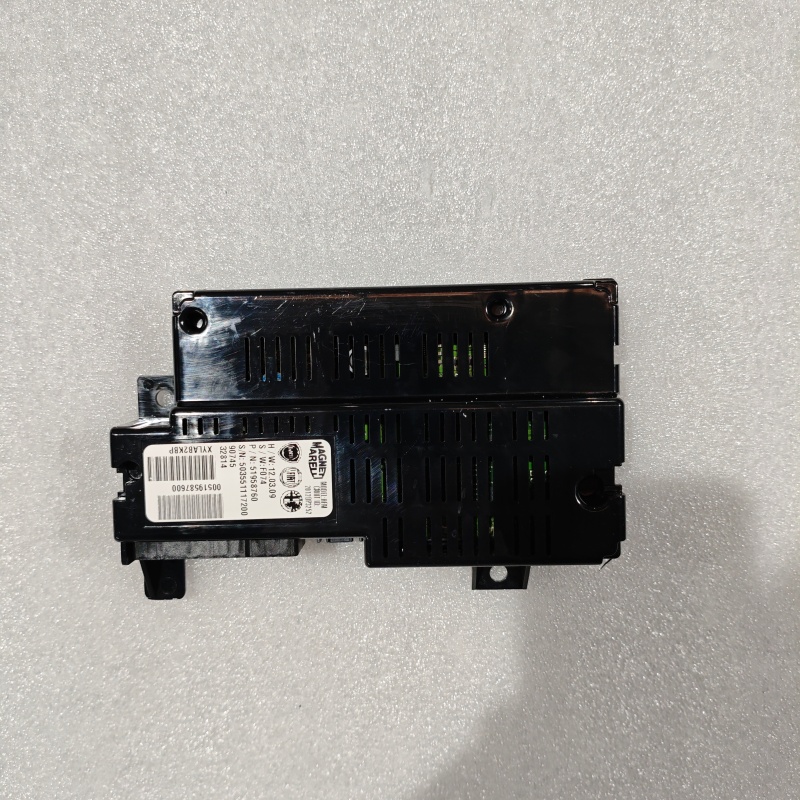
In a conventional vehicle, the steering column module manages essential features like the turn signals, headlight stalk, wiper controls, and the steering column lock. In the hybrid application, its role expands significantly. The module must interface directly with the vehicle’s high-voltage electrical system and electronic power steering (EPS). It processes critical data related to drive modes, regenerative braking settings, and energy flow displays, often relaying this information to the instrument cluster. Furthermore, it ensures flawless operation of safety systems such as the airbag clock spring and steering angle sensors, which are vital for stability control and advanced driver-assistance systems (ADAS).
For automotive parts distributors and repair shops, sourcing a dedicated Steering Column Module Hybrid is crucial. It is not a direct substitute for modules designed for internal combustion engine vehicles. This hybrid-specific unit is built to handle unique voltage requirements and communication protocols, such as CAN bus networks, that are standard in hybrid platforms. Using the correct module guarantees proper functionality of all column-mounted switches, ensures accurate sensor data for the vehicle’s computer, and maintains the integrity of supplemental restraint systems. Its precise calibration is key to vehicle safety, performance, and the overall driver experience in a hybrid environment.