A common issue that signals the need for immediate attention is when the crankshaft is rusty. This critical engine component, responsible for converting the linear motion of the pistons into rotational force, is typically protected by engine oil. However, prolonged exposure to moisture, coolant contamination, or extended periods of inactivity can compromise this protection. Rust formation on the crankshaft journals is a serious concern, as it directly compromises the surface integrity required for a perfect seal with the main and connecting rod bearings.
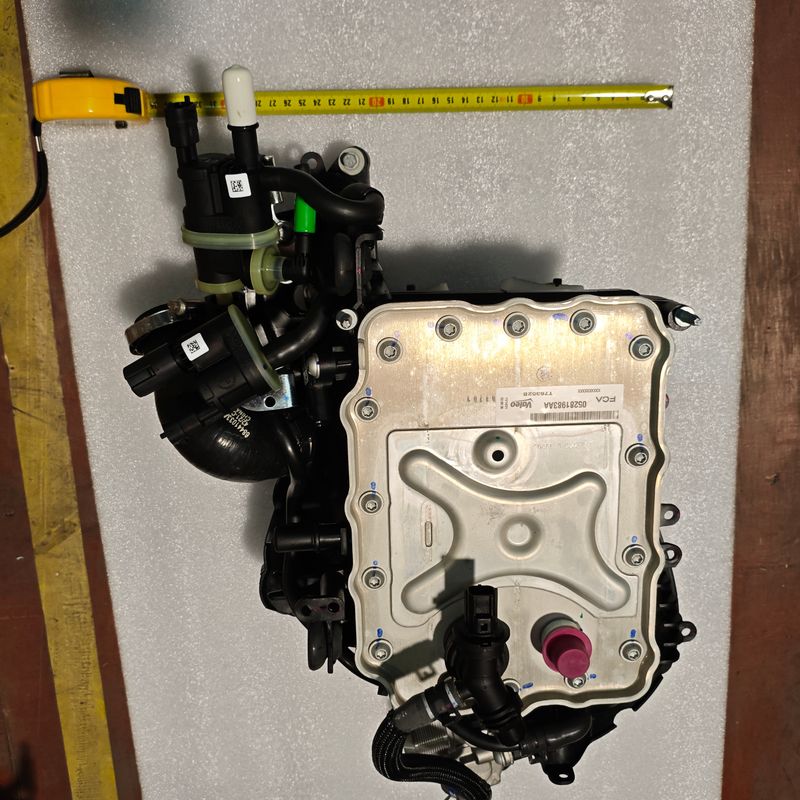
The consequences of operating an engine with a rusty crankshaft are severe. The abrasive rust particles will rapidly degrade the soft bearing material, leading to insufficient oil clearance, metal-on-metal contact, and a catastrophic loss of oil pressure. This results in excessive wear, knocking sounds, and ultimately, complete engine seizure—a far more costly failure than addressing the rust early. For vehicles stored seasonally or in humid climates, this is a prevalent risk.
If inspection reveals surface rust, prompt and proper remediation is essential. Depending on the severity, this may involve careful polishing by a professional machinist to restore the journals to a perfectly smooth finish, followed by measuring to ensure specifications are met. In advanced cases, the crankshaft may require grinding to an undersize and pairing with corresponding oversized bearings. For any engine rebuild or repair, sourcing a premium replacement crankshaft or a professionally reconditioned unit is the most reliable solution. Our inventory includes high-quality crankshafts and related bearing sets designed to meet or exceed OEM specifications, ensuring your engine returns to optimal, long-lasting performance. Addressing a rusty crankshaft promptly protects your investment and avoids extensive downstream damage.