Gearbox Differential Assembly
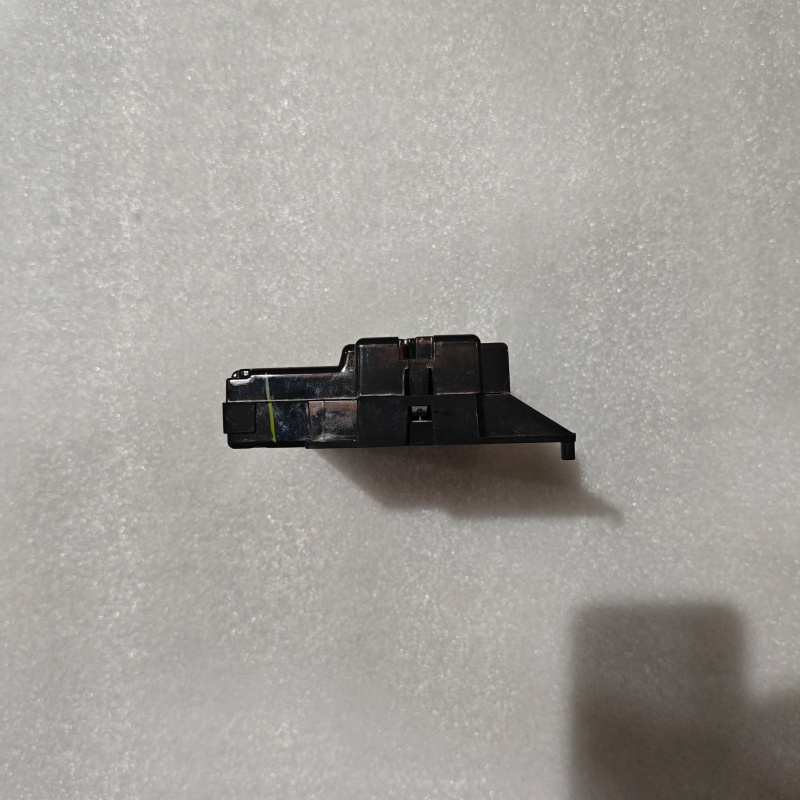
In the intricate world of automotive powertrains, the gearbox differential assembly stands as a critical component, seamlessly bridging the transmission and the drive wheels. Its primary function is to receive torque from the gearbox, distribute it to the axles, and crucially, allow the driven wheels to rotate at different speeds. This last function is essential for smooth cornering, as the outer wheel must travel a longer path than the inner wheel.
A typical Gearbox Differential Assembly integrates a set of planetary gears—comprising side gears and pinion gears—within a robust housing. This assembly is strategically positioned between the half-shafts connected to each wheel. During straight-line driving, the differential gears rotate as a single unit, delivering equal power to both wheels. When turning, the gear system compensates by enabling one wheel to rotate faster than the other, preventing tire scrubbing and drivetrain stress.
For performance and off-road vehicles, variations like limited-slip or locking differentials are incorporated into this assembly. These specialized units manage power distribution more aggressively, reducing wheel spin in low-traction conditions by limiting the speed difference between the wheels. This ensures maximum power delivery and improved vehicle control.
The integrity of this entire assembly is paramount for vehicle safety, handling, and performance. It operates under constant high stress, making the quality of its gears, bearings, and seals vital. Regular maintenance, including checks and changes of its specific lubricant, is essential to prevent premature wear, noise, or failure. Ultimately, this sophisticated mechanism is fundamental in translating engine power into controlled, efficient motion.