The exhaust manifold is a critical component, channeling hot, toxic gases from the engine’s cylinders into the exhaust system. Its secure attachment to the cylinder head is paramount for vehicle performance, emissions control, and safety. On The Exhaust Manifold Nut rests the crucial responsibility of maintaining this high-integrity seal under some of the most punishing conditions in the entire vehicle.
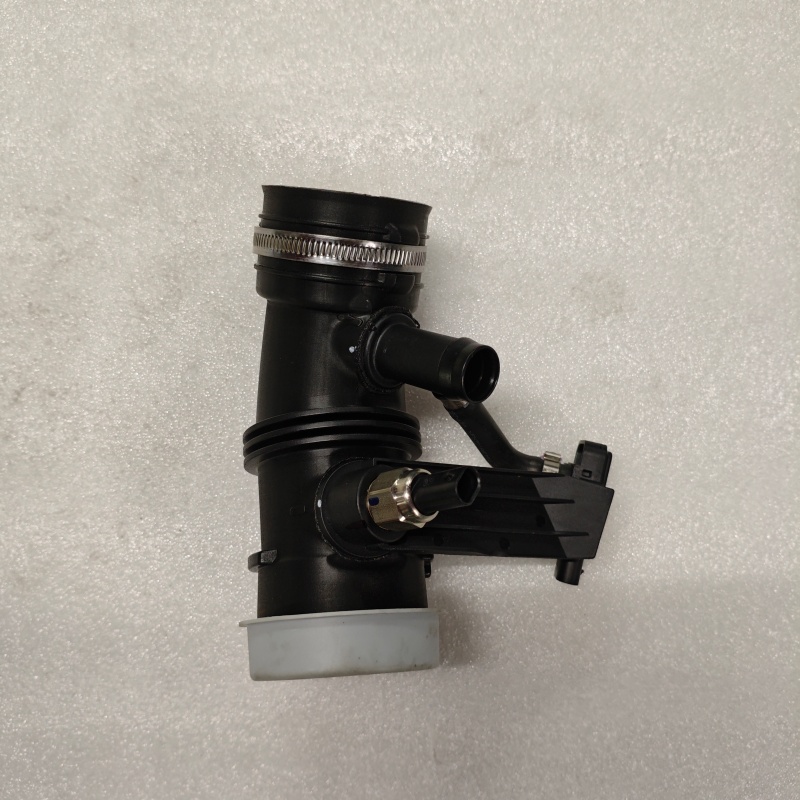
These nuts are subjected to extreme and constant thermal cycling. They repeatedly expand with intense heat as the engine operates and contract as it cools. This creates tremendous stress, leading to fatigue, corrosion, and the common issue of the nuts loosening or seizing over time. A failed or loose exhaust manifold nut can result in a leak, known as an exhaust manifold leak. This leads to a loud ticking or tapping noise, a noticeable drop in engine performance and fuel efficiency, and potentially allows harmful exhaust fumes, including carbon monoxide, to enter the cabin.
Therefore, selecting the correct nut for this application is not a place for compromise. High-quality exhaust manifold nuts are typically manufactured from heat-resistant alloys like brass or specific grades of stainless steel. These materials are engineered to withstand oxidation and resist seizing, allowing for future serviceability. Many feature specialized locking designs, such as prevailing torque or flange configurations, to prevent them from backing off under vibration.
When replacing these fasteners, it is essential to use parts specifically rated for exhaust manifold use. Proper installation torque, often specified in a sequence to ensure even clamping force, is critical to prevent warping the manifold and to guarantee a lasting, leak-free seal. Always consult your vehicle’s service manual for precise specifications.