The Front Bumper Delay Block is a critical, yet often overlooked, component in modern vehicle assembly and repair. Its primary function is to create a precisely engineered gap or delay between the front bumper cover and the underlying reinforcement or crash bar. This intentional space is not a design flaw, but a vital feature for both vehicle performance and safety.
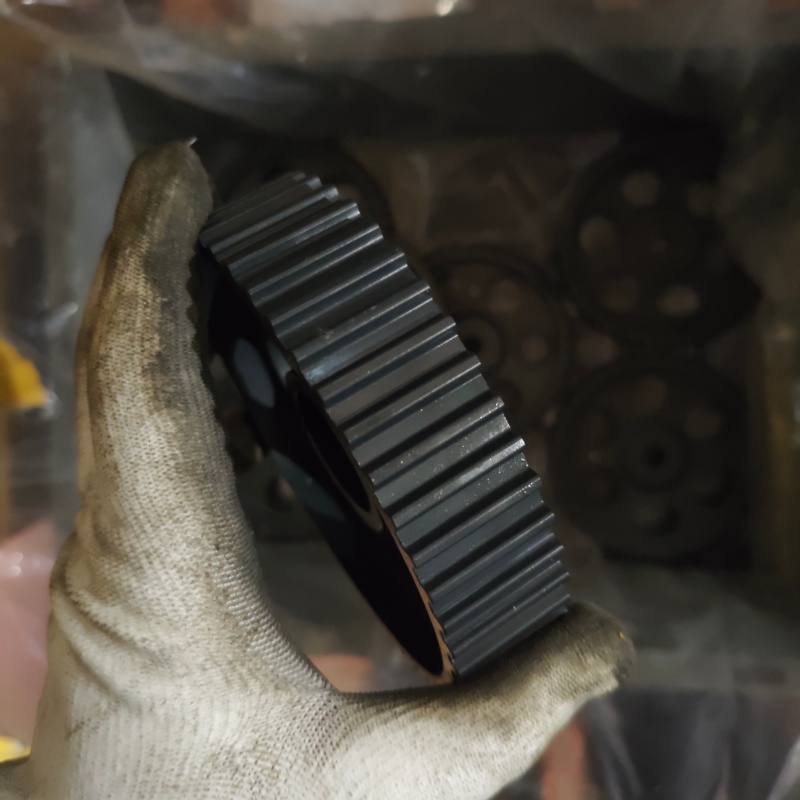
During the assembly process, this component ensures perfect alignment of the bumper cover with adjacent panels like fenders and headlights, accounting for manufacturing tolerances and thermal expansion. It prevents unsightly gaps, squeaks, and stress points that can occur from direct, rigid mounting. More importantly, the Front Bumper Delay Block plays a key role in low-speed impacts. It is designed to compress or collapse in a controlled manner, absorbing and dissipating minor collision energy before it reaches the more expensive structural components behind it. This can significantly reduce repair costs from parking lot incidents.
For automotive enthusiasts and repair professionals, understanding this part is essential. When replacing a front bumper, using the correct, vehicle-specific delay block is crucial. An incorrect or omitted block can lead to improper fitment, potential safety compliance issues, and compromised performance in a collision. It ensures the bumper system functions as engineered by the manufacturer, maintaining the vehicle’s aesthetic integrity, aerodynamic profile, and most importantly, its designed safety characteristics. Always verify this component during disassembly and never bypass it during reassembly.