This product description details the installation and function of a critical chassis or driveline component. The key operational principle is that the part is connected longitudinally down the vehicle’s frame or underbody. This specific orientation is fundamental to its performance and durability.
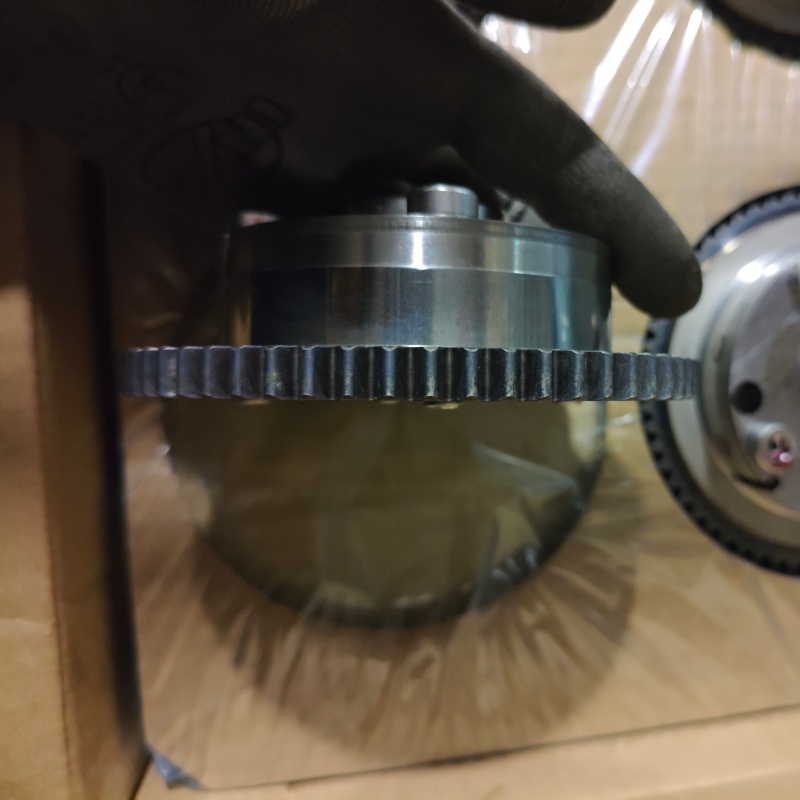
Unlike components mounted laterally or transversely, this part aligns with the vehicle’s centerline, running from the front towards the rear. This longitudinal connection is engineered to manage primary forces aligned with the direction of travel. It is designed to handle substantial compression and tension loads, such as those generated during acceleration, braking, and when traversing uneven terrain. The "down" aspect of the connection often indicates a mounted position that lowers the component’s centerline, contributing to overall vehicle stability and a more optimized weight distribution.
Proper installation is paramount. Technicians must ensure all mounting points are secure and that the component is aligned correctly along the specified longitudinal path. Any deviation from this specified orientation can induce undue stress, leading to premature wear, vibration, or failure. The design often incorporates specific brackets or isolators that facilitate this precise longitudinal mounting while dampening noise and harshness.
In summary, the fact that this assembly is connected longitudinally down is not incidental; it is a deliberate engineering choice. This configuration ensures optimal force management, structural integrity, and contributes directly to the vehicle’s handling characteristics and safety. Always refer to the vehicle-specific installation guide for precise torque specifications and alignment procedures.