The Carbon Canister Vacuum Valve is a critical yet often overlooked component within your vehicle’s evaporative emissions control (EVAP) system. Its primary function is to manage the flow of fuel vapors, preventing them from escaping into the atmosphere while ensuring optimal engine performance and fuel efficiency.
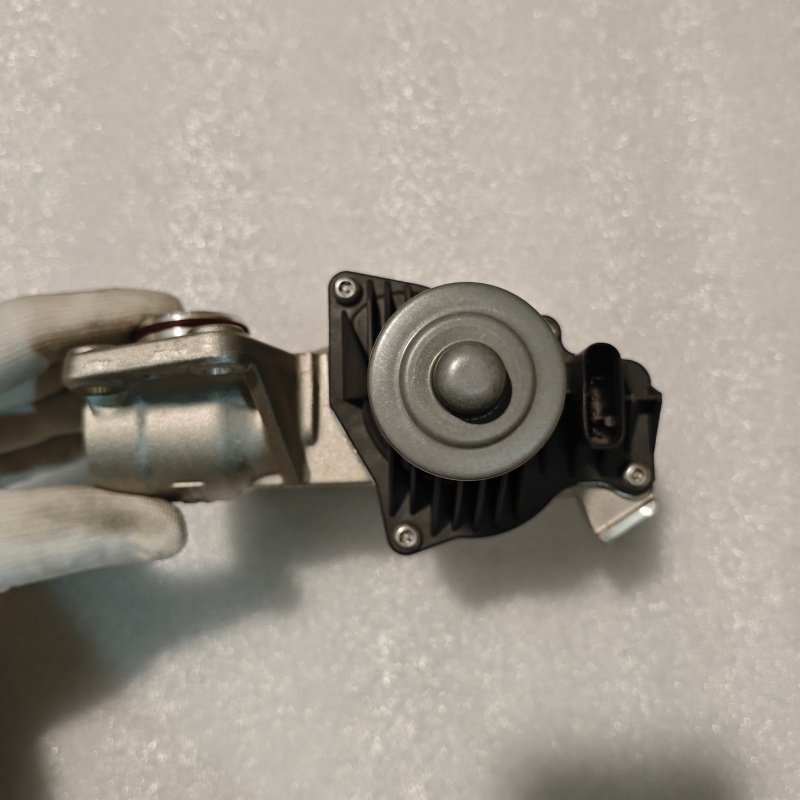
Located between the charcoal-filled carbon canister and the engine intake manifold, this electronically controlled valve acts as a precise gatekeeper. During normal engine operation, the vehicle’s engine control unit (ECU) commands the valve to open at specific intervals. This creates a controlled vacuum that draws trapped gasoline vapors from the carbon canister into the engine’s intake manifold. These vapors are then safely burned during the combustion process, effectively recycling them and reducing harmful hydrocarbon emissions.
A properly functioning Carbon Canister Vacuum Valve is essential for several reasons. First, it directly supports environmental compliance by minimizing evaporative emissions. Second, it helps maintain correct fuel-air mixtures; a stuck-open valve can introduce an unmetered vacuum leak, leading to a rough idle, hesitation, or poor performance. Conversely, a valve that is stuck closed will prevent the purging of the carbon canister, potentially causing fuel tank pressure issues, a saturated canister, and an illuminated check engine light.
Regular maintenance and prompt attention to EVAP-related trouble codes are key. Symptoms of a failing valve include hard starting after refueling, a noticeable fuel odor, or failed emissions tests. When replacement is necessary, opting for a high-quality, direct-fit valve ensures system integrity, restoring efficient vapor management, protecting the environment, and preserving your engine’s smooth operation.