The Brake Vacuum Pump Gasket is a critical sealing component within a vehicle’s braking system. It is installed between the vacuum pump and its mounting surface, typically the engine cylinder head or a dedicated bracket. Its primary function is to create and maintain an airtight seal, ensuring that the vacuum generated by the pump is efficiently delivered to the brake booster.
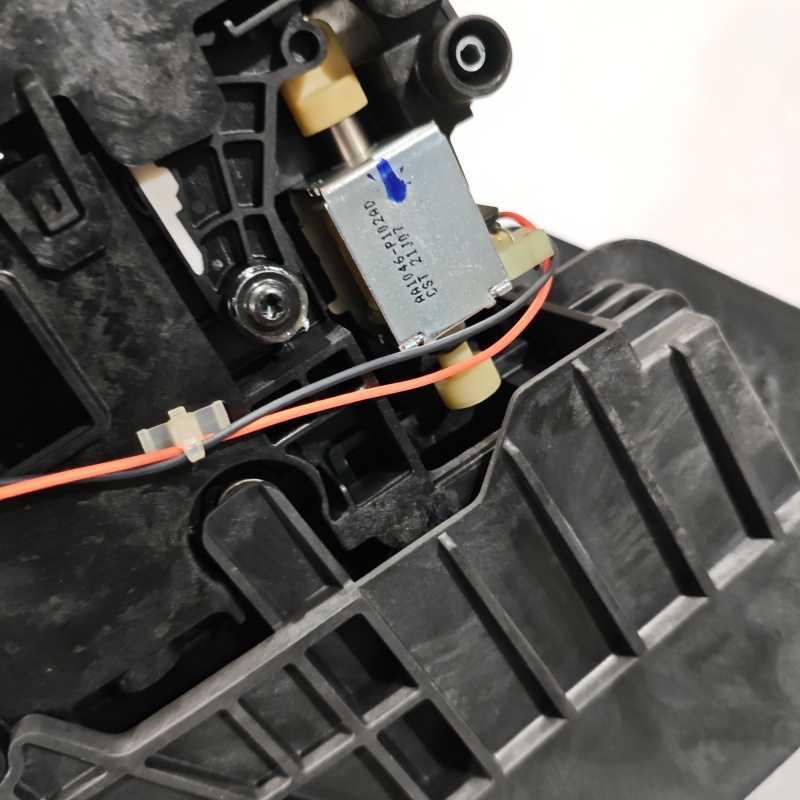
A properly functioning brake vacuum pump gasket is essential for optimal braking performance. The vacuum pump itself reduces pressure in the brake booster, providing the power assist that makes pedal application easier for the driver. If this gasket fails, leaks, or degrades, it allows air to enter the system. This contamination leads to a loss of vacuum, resulting in a noticeably hard or stiff brake pedal, increased stopping distances, and a significant reduction in braking power. In severe cases, it can lead to complete brake assist failure, posing a serious safety risk.
Common signs of a failing gasket include a hissing noise from the pump area, a check engine light triggered by related sensor readings, and the aforementioned hard brake pedal. This gasket is subjected to extreme conditions, including high temperatures, constant pressure cycling, and exposure to engine oils. Therefore, it is manufactured from durable, heat-resistant materials such as high-quality rubber compounds, cork-rubber composites, or multi-layer steel (MLS) to ensure longevity and reliable performance.
When replacing a vacuum pump or performing related service, installing a new, high-quality Brake Vacuum Pump Gasket is a mandatory step. It is a low-cost component that plays a high-value role in maintaining the integrity, safety, and responsiveness of your vehicle’s entire braking system. Always ensure the sealing surfaces are clean and flat before installation to guarantee a perfect seal.