The Pcv Valve Oil-Gas Separator is a critical yet often overlooked component in a modern internal combustion engine. It plays a dual role in maintaining engine efficiency, reducing emissions, and protecting vital engine parts. Essentially, this component is the heart of the Positive Crankcase Ventilation (PCV) system, a fundamental part of your vehicle’s emissions control.
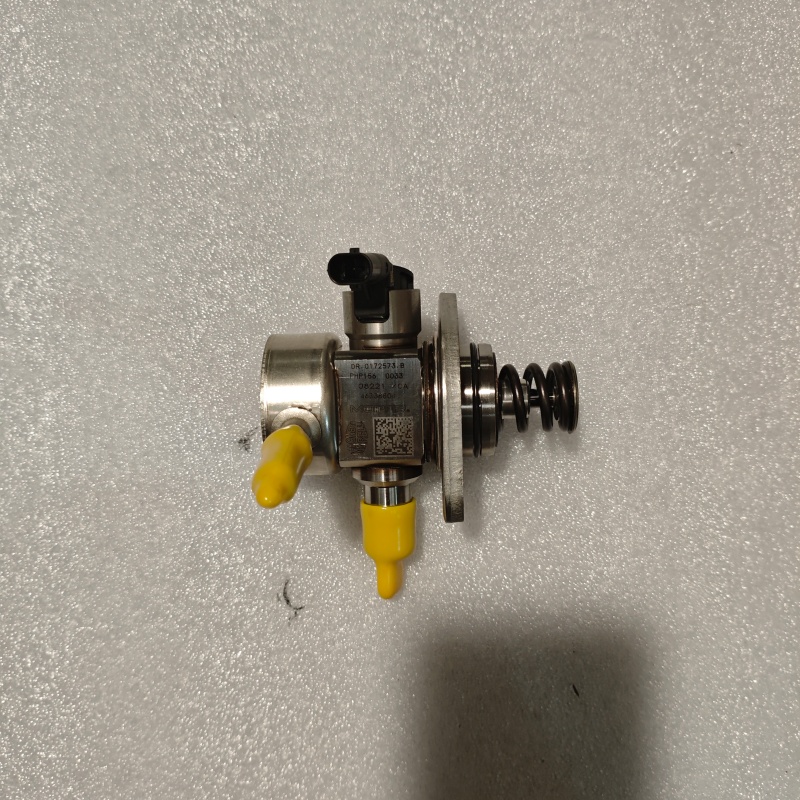
During engine operation, blow-by gases, a mixture of fuel vapors, oil mist, and combustion by-products, escape past the piston rings and into the crankcase. The PCV system routes these harmful gases back into the intake manifold to be burned in the combustion chambers. The Pcv Valve Oil-Gas Separator is positioned within this circuit. Its primary function is to condense and separate the oil mist from these gases before they are recirculated. This process ensures that only combustible gases re-enter the intake, while the separated oil drains back to the crankcase.
The benefits of a properly functioning separator are significant. It prevents oil sludge buildup in the intake system, throttle body, and intercooler (in turbocharged engines), maintaining optimal airflow and engine performance. By ensuring only clean gases are burned, it reduces hydrocarbon emissions. Most importantly, it prevents oil consumption, saving you money on oil top-ups and protecting components like intake valves and oxygen sensors from oil fouling. A clogged or failed separator can lead to increased oil consumption, rough idling, reduced performance, and excessive smoke. Regular inspection and timely replacement of this integral component are simple, cost-effective measures for ensuring your engine’s long-term health and operational efficiency.