Rear Rubber Cushioning Block
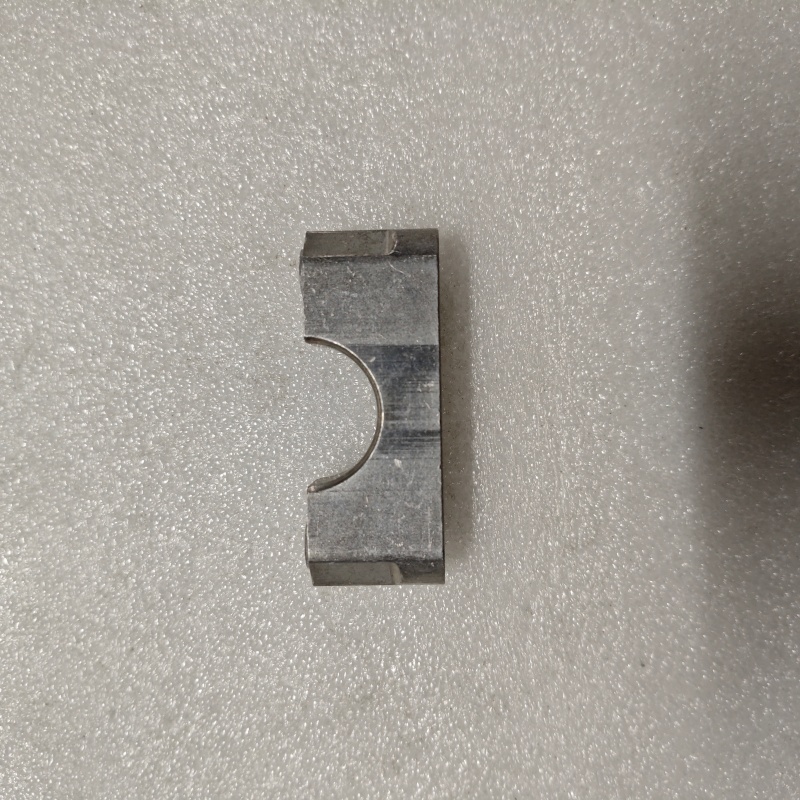
In the complex symphony of a vehicle’s suspension and chassis system, the Rear Rubber Cushioning Block plays a critical, though often overlooked, role. This essential automotive component is engineered to absorb and dampen impacts, vibrations, and noise that originate from road irregularities. Positioned strategically within the rear suspension assembly, it acts as a final line of defense between the vehicle’s frame and axle or suspension arms, preventing metal-to-metal contact.
The primary function of the Rear Rubber Cushioning Block is to enhance ride comfort by isolating the cabin from harsh shocks and bumps. By cushioning sudden jolts, it contributes significantly to a smoother and quieter driving experience. Furthermore, it protects other vital suspension components from excessive stress and premature wear, thereby supporting the overall durability and structural integrity of the rear suspension system. This protection is especially crucial during heavy loading, towing, or when traversing uneven terrain, as the block compresses to provide additional support and prevent suspension bottoming-out.
Manufactured from high-grade, durable rubber compounds, these blocks are designed to withstand extreme environmental conditions, including temperature fluctuations, ozone exposure, and road chemicals, ensuring long-term performance and resilience. A worn or damaged cushioning block can lead to increased noise, noticeable vibration in the vehicle cabin, and potential damage to adjacent parts. Regular inspection during routine maintenance is recommended. For vehicle owners seeking to maintain optimal ride quality, comfort, and component longevity, ensuring the Rear Rubber Cushioning Block is in good condition is a simple yet vital aspect of vehicle care.