The Front Of The Drive Shaft is a critical assembly point in a vehicle’s drivetrain, serving as the vital link between the transmission and the forward wheels or differential. This component is responsible for transmitting the rotational power and torque generated by the engine to the wheels, enabling motion. Its precise engineering and integrity are paramount for smooth acceleration, reliable handling, and overall driving safety.
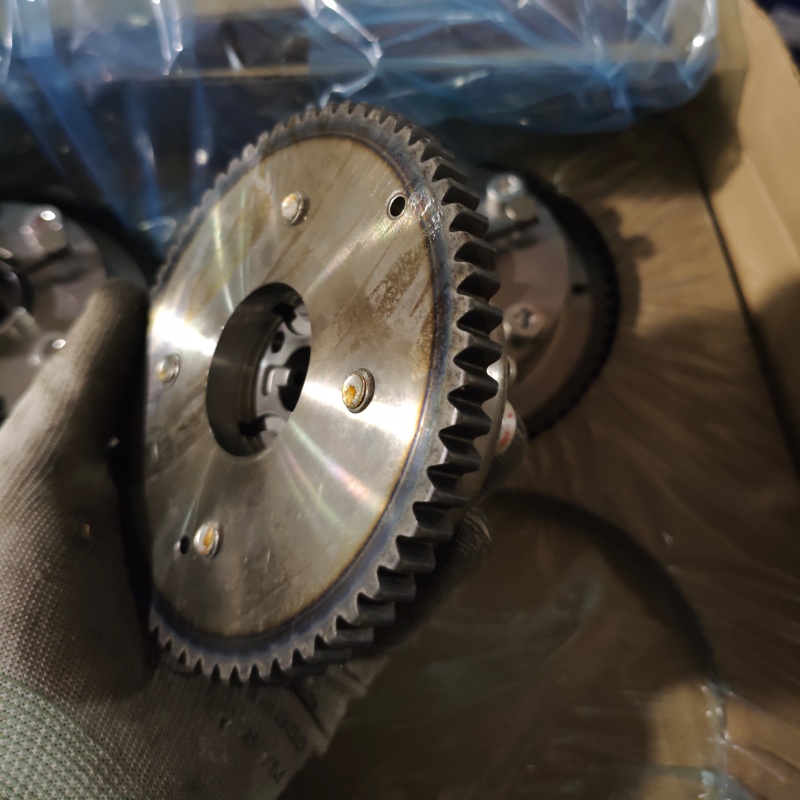
In rear-wheel and four-wheel drive vehicles, the front of the drive shaft typically connects to the transmission’s output shaft via a companion flange or a yoke. In front-wheel drive configurations, it often refers to the inner Constant Velocity (CV) joint assembly that connects to the transaxle. This area must withstand tremendous rotational forces, vibrations, and varying angles during suspension movement. Key elements at this junction include robust U-joints or CV joints, precise splined connections, and secure mounting hardware. Proper lubrication and sealing here are essential to prevent premature wear from friction and contamination.
Failure at the front of the drive shaft can manifest as severe vibrations, clunking noises during gear shifts, or complete drivetrain disconnection. Regular inspection of this component for signs of joint wear, seal leakage, or imbalance is crucial for preventative maintenance. When replacement is necessary, ensuring precise alignment and using high-quality, vehicle-specific parts is non-negotiable. A perfectly functioning drive shaft front connection guarantees efficient power delivery, protects downstream components, and provides a seamless driving experience. Always consult professional installation guidelines for this technically sensitive assembly.