When diagnosing engine performance issues, a common and often overlooked scenario is discovering "The Intake Manifold Is Empty". This condition refers to the absence of the necessary air-fuel mixture or, in the case of direct injection engines, air alone, within the manifold’s plenum and runners at a given moment. It is typically a symptom, not a fault of the manifold itself, but a critical clue pointing to upstream delivery problems.
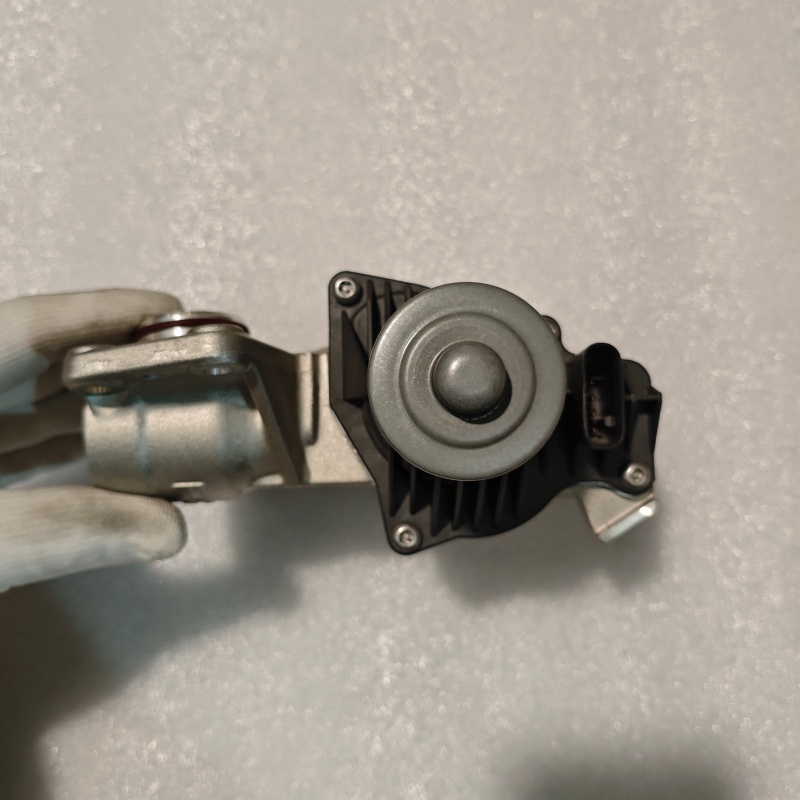
An empty intake manifold can result from several root causes. A severe fuel delivery issue, such as a failed fuel pump, clogged filter, or malfunctioning injectors, will result in air flowing without fuel. Major vacuum leaks, often from disconnected hoses, a faulty brake booster, or a compromised intake manifold gasket, allow unmetered air to enter, disrupting the precise ratio and creating a lean, inefficient condition. In extreme cases, significant valve timing errors or catastrophic component failure can also lead to this state.
For performance enthusiasts and mechanics, understanding this concept is vital. A properly functioning intake manifold should contain a charged, ready mixture for the engine’s cylinders. The sensation of an "empty" manifold often translates to symptoms like hard starting, rough idling, severe hesitation, or a complete failure to start. Diagnosing the cause requires systematic checks of the fuel system, vacuum integrity, and sensor data.
Therefore, while the intake manifold itself may be mechanically sound, the state of being empty signals an interruption in the engine’s vital supply chain. Identifying and rectifying the underlying fault restores the proper charge to the manifold, allowing your engine to breathe and perform as intended. Always consider this condition in your diagnostic routine for optimal engine health.