A blocked fuel tank cap is a common yet often overlooked issue that can lead to significant problems for your vehicle. While it may seem like a minor component, the fuel cap plays a crucial role in maintaining the sealed integrity of the entire fuel system. Its primary functions are to prevent fuel vapors from escaping into the atmosphere and to maintain the correct pressure within the fuel tank for the engine to operate efficiently.
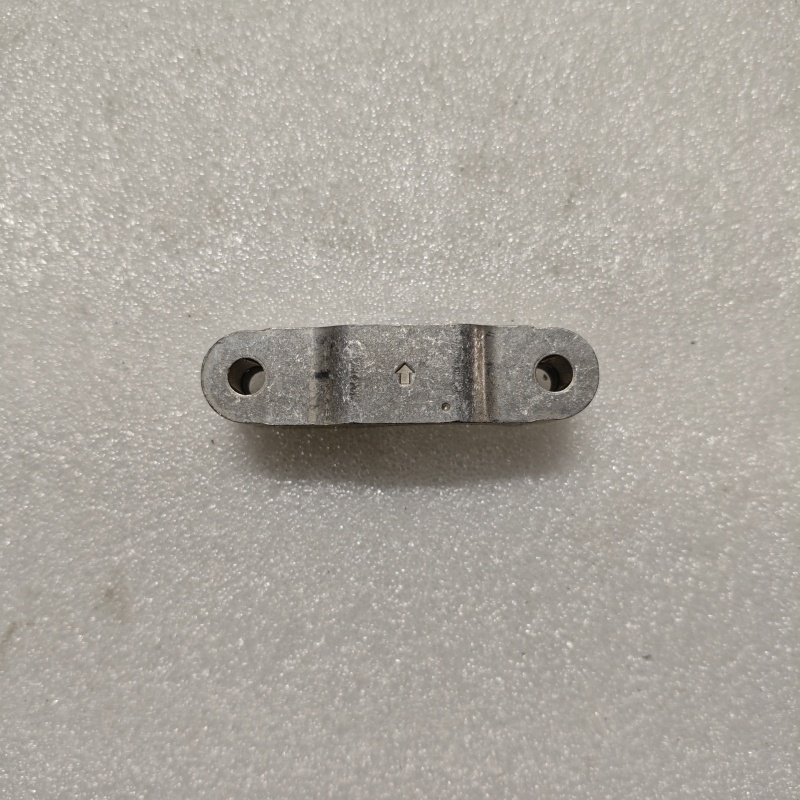
The Fuel Tank Cap Is Blocked typically by debris, dirt, or a damaged seal, which compromises this sealed system. When the venting mechanism or the seal is obstructed, it can create a vacuum inside the tank. This vacuum can make the fuel pump work harder, leading to potential strain, reduced fuel efficiency, and in severe cases, engine stalling or difficulty starting. Conversely, a blockage preventing proper sealing can trigger the check engine light, as the vehicle’s onboard diagnostic system detects a leak in the evaporative emission control system (EVAP).
Addressing this issue promptly is essential. The solution often involves a simple inspection and replacement. First, safely inspect the cap and its seal for any visible dirt, cracks, or wear. Cleaning the cap and the filler neck might resolve a minor blockage. However, if the cap is damaged or the seal is degraded, replacement is the most reliable course of action. Installing a new, high-quality fuel tank cap restores the proper pressure balance, ensures the EVAP system functions correctly, and can help maintain optimal fuel economy. Always choose a cap that meets or exceeds your vehicle manufacturer’s specifications for a perfect fit and performance.