Bumper Bracket Fixing Screws are critical, yet often overlooked, components in a vehicle’s front and rear safety assemblies. These specialized fasteners are responsible for securely attaching the bumper bracket—the structural backbone of the bumper system—to the vehicle’s chassis or frame. Their primary function is to ensure the bumper remains firmly in its designated position, maintaining proper alignment with the body panels and providing a stable platform for the energy-absorbing components behind the fascia.
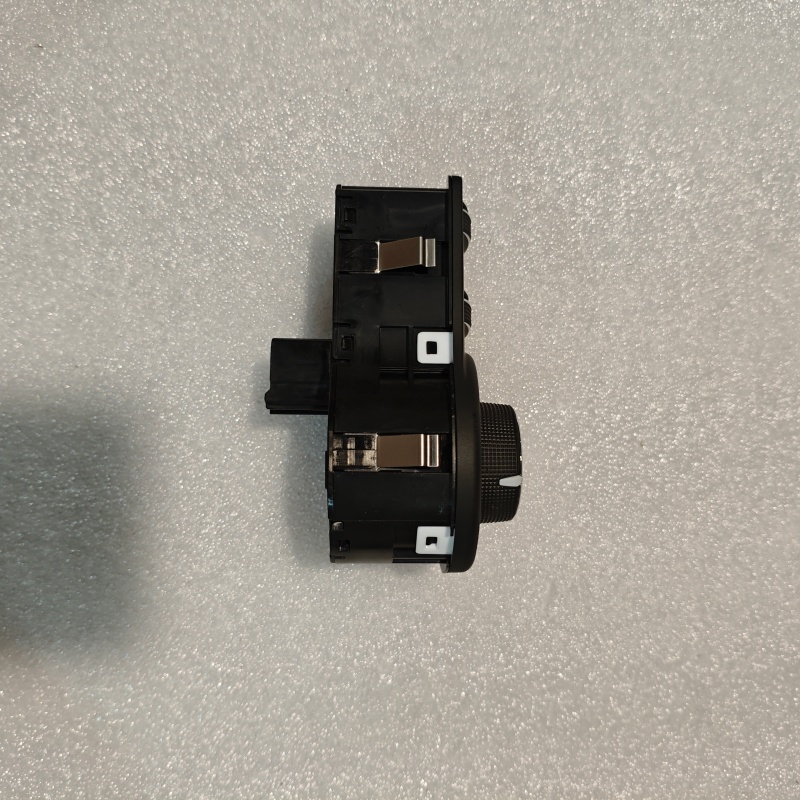
The integrity of these screws is paramount for vehicle safety. In the event of a low-speed impact, a securely fastened bracket allows the bumper system to function as designed, absorbing energy and minimizing damage to more expensive parts. Conversely, corroded, worn, or incorrect screws can lead to bracket failure, causing the bumper to sag, become misaligned, or even detach, compromising safety and aesthetics. These fasteners are engineered to withstand significant shear and tensile stresses, as well as constant vibration and exposure to harsh environmental elements like road salt, moisture, and temperature extremes.
When replacing or repairing a bumper bracket, it is essential to use the correct bumper bracket fixing screws specified for your vehicle’s make and model. Manufacturers determine the required grade, thread pitch, length, and head type based on precise engineering calculations. Using inferior generic hardware can jeopardize the entire assembly’s strength. For optimal performance and safety, always source high-quality, corrosion-resistant screws, often in grade 8.8 or higher, and ensure they are torqued to the manufacturer’s specifications during installation. Regular inspections during routine maintenance can help identify early signs of corrosion or loosening, preventing potential failures and ensuring your vehicle’s bumper system remains a reliable first line of defense.