The Discharge Solenoid Valve Diesel is a critical electronic component within a diesel engine’s fuel injection system, specifically in units employing a high-pressure common rail design. Its primary function is to precisely control the release of pressurized diesel fuel from the rail. Acting as a high-speed electrically operated gate, the valve responds directly to signals from the Engine Control Unit (ECU). When energized, it opens or closes to modulate the fuel pressure in the common rail, ensuring optimal pressure levels are maintained for the injectors.
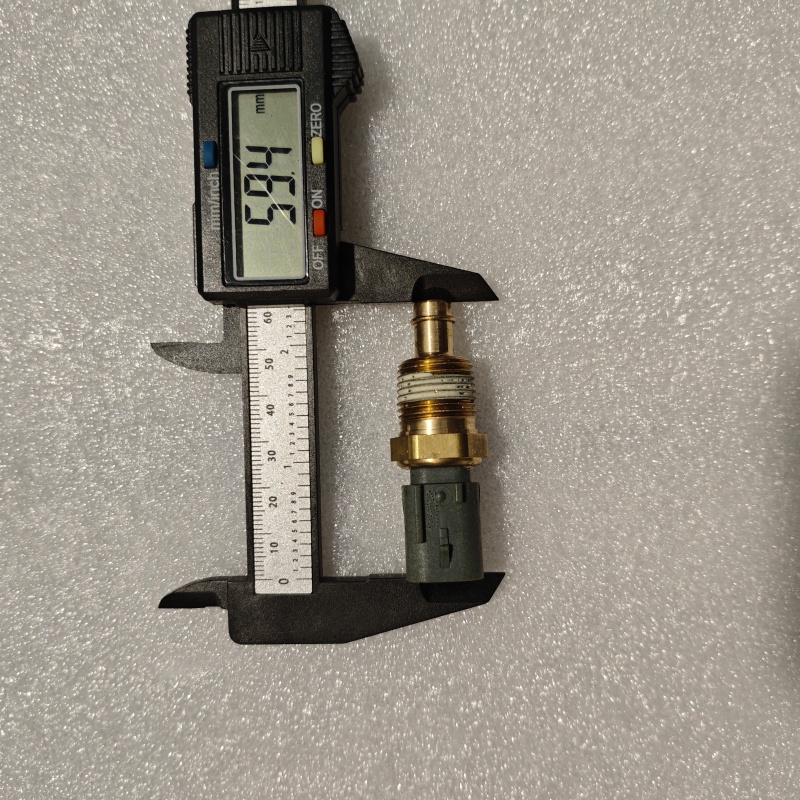
Accurate pressure regulation is paramount for modern diesel engines to achieve performance, efficiency, and emissions targets. By managing the discharge of excess fuel back to the tank, this solenoid valve helps maintain the exact pressure specified by the ECU for any given engine load and speed. This precise control directly influences the atomization of fuel during injection, leading to more complete combustion. The result is improved engine power output, enhanced fuel economy, and a significant reduction in harmful exhaust emissions, particularly nitrogen oxides and particulate matter.
A malfunctioning discharge solenoid valve can lead to a range of engine issues. Symptoms often include difficulties starting, rough idling, noticeable loss of power, increased fuel consumption, and excessive smoke from the exhaust. Due to its role in high-pressure fuel management, ensuring this component is in perfect working order is essential for the health of the entire injection system. When replacement is necessary, it is crucial to select a high-quality valve that meets or exceeds the original equipment specifications to guarantee reliable operation, system integrity, and sustained engine performance.