Carbon Canister Intake Pipe
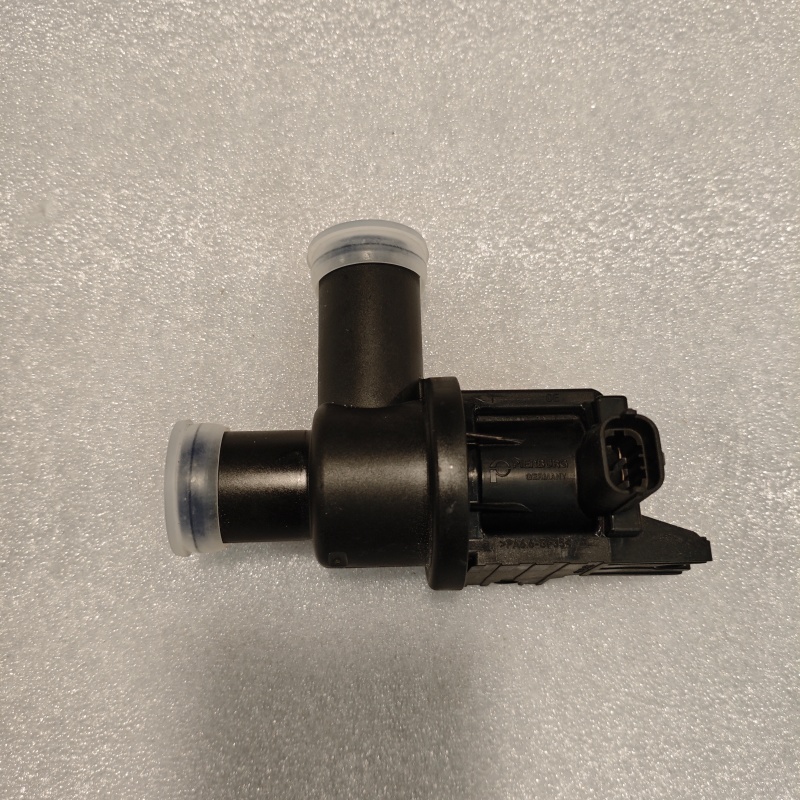
In modern vehicle emissions control systems, the Carbon Canister Intake Pipe plays a critical, though often overlooked, role. This component is a vital piece of the Evaporative Emission Control (EVAP) system, designed to prevent gasoline vapors from the fuel tank from escaping directly into the atmosphere. Serving as the dedicated air inlet conduit, this pipe connects the charcoal-filled evaporative canister to a clean air source, typically the engine’s air intake system or an air filter.
Its primary function is to facilitate the purging process. When the engine is running under specific conditions, the vehicle’s powertrain control module opens the purge valve. This allows fresh air to be drawn through the Carbon Canister Intake Pipe, across the activated carbon in the canister. This airflow strips the stored fuel vapors from the charcoal, carrying them into the engine’s intake manifold to be burned during normal combustion. This process effectively cleanses or "regenerates" the canister for continued vapor capture.
A compromised or faulty intake pipe can lead to significant system failures. Cracks, disconnections, or blockages can allow unmetered air into the EVAP system, triggering a check engine light for diagnostic trouble codes related to purge flow or leaks. More critically, a blocked pipe can prevent proper canister purging, leading to poor engine performance, reduced fuel efficiency, and potential over-pressurization of the fuel tank. Constructed from durable materials like reinforced rubber or high-grade plastics to withstand under-hood temperatures and chemical exposure, a properly functioning Carbon Canister Intake Pipe is essential for maintaining optimal engine performance, ensuring emissions compliance, and minimizing environmental impact. Always ensure this component is inspected during routine maintenance.