In modern vehicle safety design, the principle of Fast Front Energy Absorption is paramount. This critical engineering concept focuses on managing the immense forces generated during a frontal collision. The core objective is to instantaneously and efficiently dissipate kinetic energy away from the passenger cabin, thereby reducing the forces transferred to occupants.
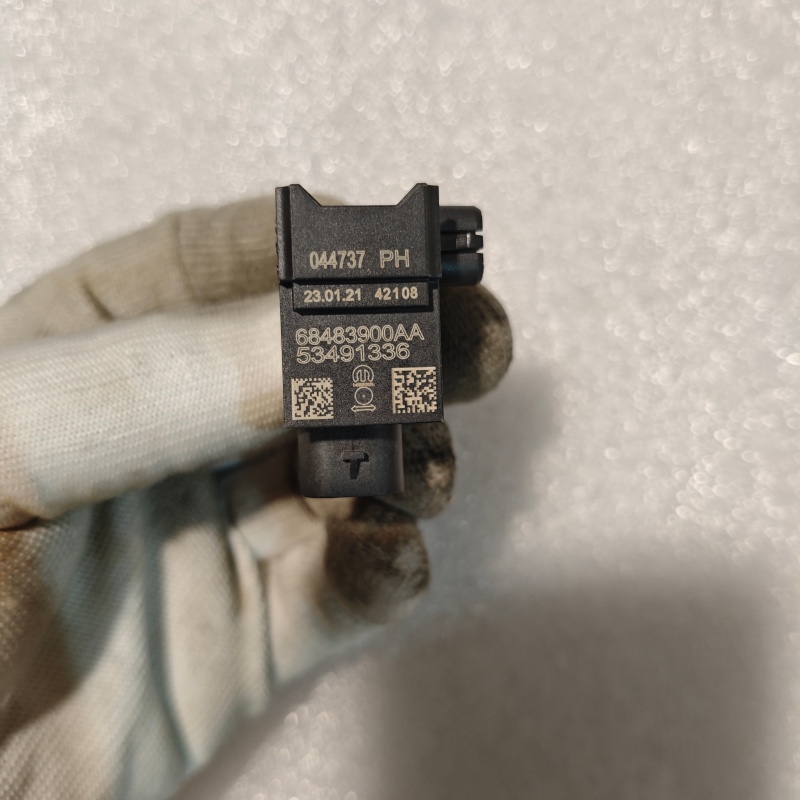
The implementation of this system involves strategically designed crumple zones in the front structure of the vehicle. These zones are crafted from specific materials and geometries that are programmed to deform in a controlled, predictable manner upon impact. This deliberate deformation is the essence of Fast Front Energy Absorption. As the material crumples, it converts the vehicle’s motion into other forms of energy, primarily through mechanical work and heat, effectively "absorbing" the crash energy over a longer period of time. This controlled deceleration is what dramatically increases survivability and reduces injury severity.
For automotive parts such as bumper reinforcement bars, crash boxes, and front-end module carriers, their primary function is to activate and contribute to this energy management sequence. High-strength steels, advanced aluminum alloys, and composite materials are often utilized to achieve the ideal balance between controlled deformation and structural integrity. A component that successfully initiates Fast Front Energy Absorption ensures that the subsequent safety systems, like airbags and seatbelt pre-tensioners, operate within their optimal parameters.
Therefore, when selecting replacement front-end components, it is essential to choose parts that are certified to meet or exceed the original equipment manufacturer’s specifications for crash performance. These components are not merely structural; they are integral, life-saving elements of your vehicle’s coordinated safety strategy, ensuring the front end performs its vital energy-absorbing role in the crucial first moments of a collision.