Front Axle Active And Passive Teeth represent a critical innovation in modern four-wheel-drive and all-wheel-drive vehicle systems, specifically within the front axle assembly. This sophisticated component is the core mechanism enabling the seamless engagement and disengagement of the front axle, directly impacting a vehicle’s drivetrain efficiency and capability.
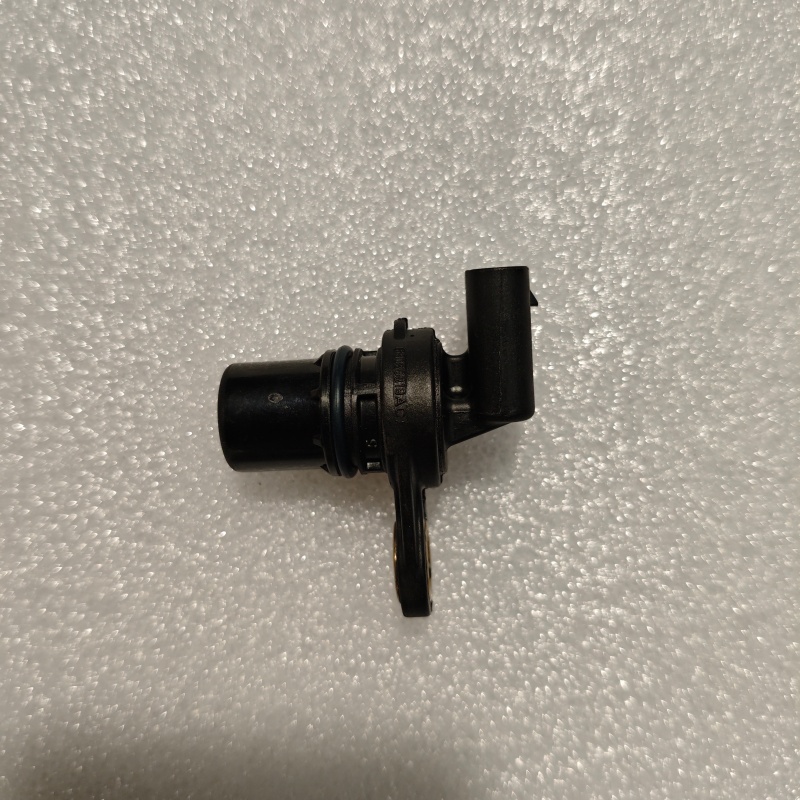
The system consists of two primary interlocking gear sets: the active teeth, which are connected to and driven by the powertrain, and the passive teeth, which are connected to the front wheels via the differential and axle shafts. Under normal two-wheel-drive conditions, these gear sets are separated, allowing the front wheels to rotate freely without receiving engine power, thereby improving fuel economy. When four-wheel-drive is activated—either automatically by the vehicle’s computer or manually by the driver—an actuator or collar slides the front axle active and passive teeth into full mesh. This mechanical lock physically connects the powertrain to the front wheels, ensuring a positive and immediate transfer of torque for enhanced traction on demanding surfaces like snow, mud, or loose gravel.
The precision engineering of these teeth is paramount. They are manufactured from high-grade, hardened steel to withstand significant shear forces and are designed with specific chamfers and synchronizer features to allow smooth, clash-free engagement even under varying rotational speeds. This durability ensures long-term reliability under repeated cycling. For consumers, this technology translates to a versatile driving experience, combining the efficiency of a two-wheel-drive vehicle with the robust traction of a four-wheel-drive system on demand. It is a key component that bridges intelligent drivetrain management with mechanical robustness, making it an essential consideration for any off-road or all-weather vehicle platform.