Hood buffer blocks, often overlooked yet critical components, play a vital role in vehicle integrity and performance. These small, typically rubber or polyurethane blocks are strategically mounted on the vehicle’s radiator support or frame. Their primary function is to provide a precise and cushioned stopping point for the hood when it is closed. This simple action prevents metal-on-metal contact, eliminating jarring noises, vibrations, and potential damage to the hood’s leading edge and the underlying structure. The correct Hood Buffer Blocks/Vehicle ensure a secure, rattle-free fit, contributing to overall refinement.
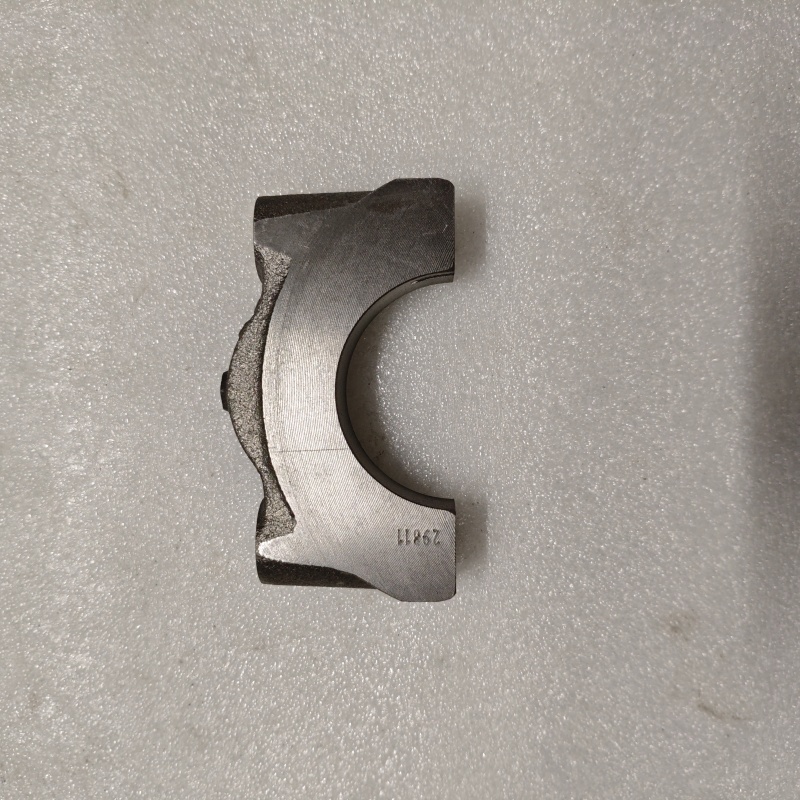
Beyond noise control, these blocks are essential for proper hood alignment. By adjusting their height, technicians can fine-tune the hood’s position, ensuring it sits flush with the fenders and front bumper for a consistent panel gap. This is crucial for aesthetic quality and aerodynamic efficiency. Furthermore, they create a necessary gap, allowing for slight engine movement without the hood making contact during operation or over rough terrain. In the event of a minor frontal impact, they can also help absorb some energy, providing a secondary layer of protection for the hood.
For any vehicle, maintaining these blocks is key. Over time, exposure to extreme temperatures and engine chemicals can cause them to crack, harden, or compress permanently. Degraded blocks lead to a misaligned hood, increased NVH (Noise, Vibration, and Harshness), and visible wear. Replacing worn hood buffer blocks with OEM-equivalent parts is a cost-effective maintenance procedure. It restores the intended fit and function, preserving the vehicle’s front-end geometry, protecting its paint and bodywork, and ensuring a solid, quiet closure every time.