In modern automotive HVAC systems, efficient thermal management is paramount for performance, safety, and longevity. The Blower Resistance Sheet Heat Sink plays a critical, often underappreciated role in this ecosystem. Integrated directly with the blower motor’s resistor module, this component is engineered to dissipate the significant heat generated as the resistor regulates fan speed. Without effective heat dissipation, excessive temperatures can lead to resistor failure, system malfunctions, or even potential fire hazards.
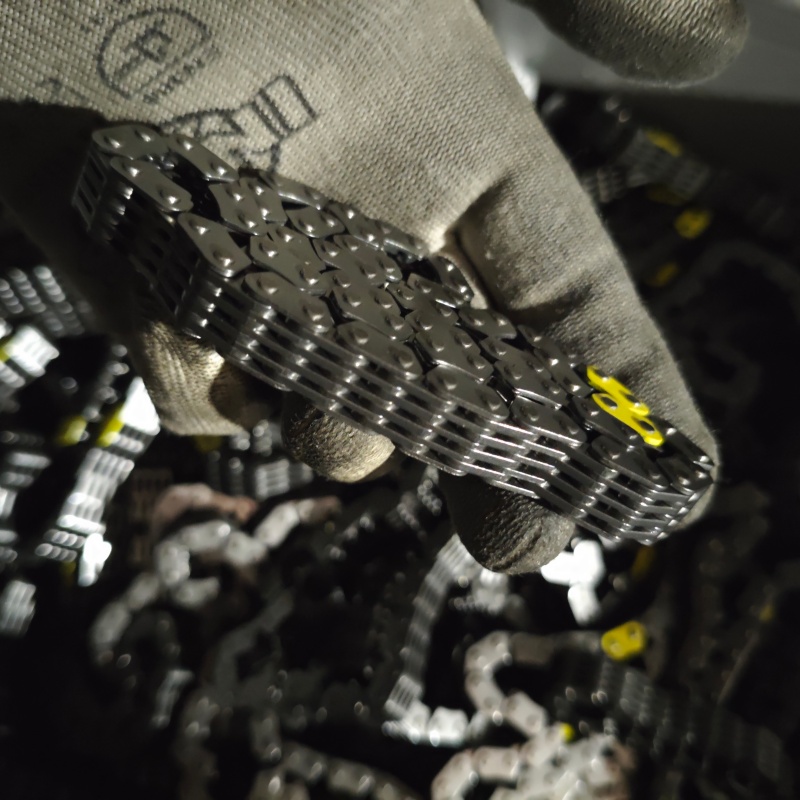
This heat sink is typically a compact, finned aluminum or copper assembly, designed for maximum surface area and optimal airflow conduction. Its sheet metal construction allows for a lightweight yet robust form factor that fits seamlessly into the often tight confines of a vehicle’s blower housing. The primary function is to draw thermal energy away from the high-resistance coils, rapidly transferring it into the surrounding air stream created by the blower fan itself. This passive cooling process ensures the resistor operates within its safe thermal parameters, regardless of whether the fan is on a low or high setting.
For automotive parts buyers and technicians, specifying a high-quality Blower Resistance Sheet Heat Sink is essential. It is a vital reliability component that directly impacts the durability of the entire blower motor circuit. A degraded or insufficient heat sink leads to repeated resistor burnout, customer complaints, and costly comebacks. When replacing a blower resistor, inspecting or replacing the accompanying heat sink ensures the repair is complete and long-lasting. This component exemplifies how precise engineering in even the smallest parts guarantees the consistent comfort and electrical integrity expected in today’s vehicles.