In the realm of automotive cooling and climate control systems, innovation often lies in simplification and enhanced reliability. The Heater Pipe Is Integrated into the engine’s core cooling circuit, representing a significant advancement over traditional, separate hose assemblies. This design philosophy moves away from multiple connection points and potential failure areas, creating a more robust and efficient thermal management solution for modern vehicles.
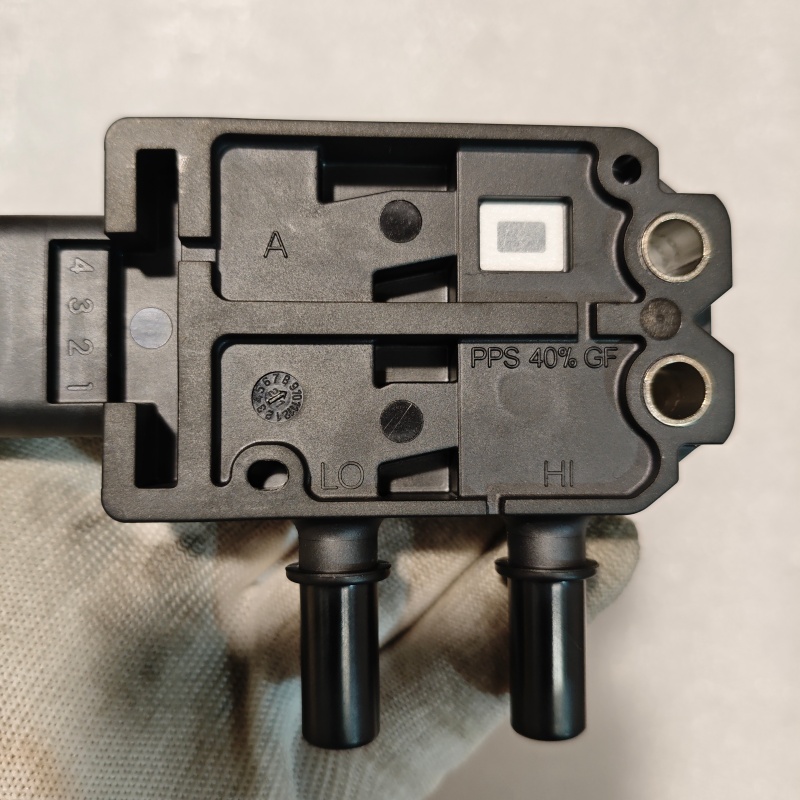
This integrated approach means the heater pipe is no longer a standalone, easily detachable component. Instead, it is meticulously engineered as a seamless part of the engine’s coolant routing, often cast or molded directly into components like the thermostat housing, water pump, or cylinder head. The primary benefit is a dramatic reduction in potential leak points. Every traditional hose clamp and rubber junction is a future vulnerability; by integrating the pipe, these weaknesses are eliminated, leading to superior long-term durability and less maintenance worry.
For the vehicle’s heating system, this integration ensures optimal and consistent coolant flow to the heater core. There is minimal risk of flow restriction or air pockets that can plague complex hose networks, resulting in faster cabin warm-up times and more efficient defrosting performance. Furthermore, the streamlined design contributes to overall engine bay cleanliness, simplifying assembly and often improving coolant routing for better engine temperature regulation.
While replacement of an integrated heater pipe may require more specialized procedures compared to a simple hose swap, its enhanced reliability means such interventions are far less frequent. This design underscores a commitment to building vehicles with systems designed for longevity and consistent performance, where the heater pipe is a fundamental, enduring part of the engine’s architecture rather than a peripheral accessory.