Downstream Of Oxygen Sensor
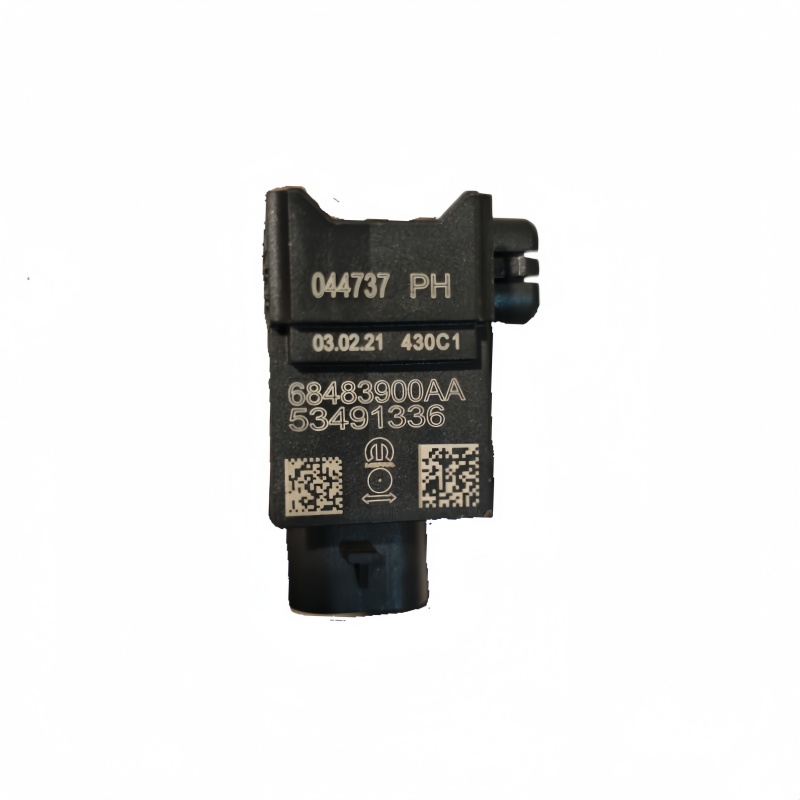
In the intricate network of your vehicle’s exhaust system, the component located Downstream Of Oxygen Sensor plays a critical role in ensuring optimal engine performance and environmental compliance. Positioned after the catalytic converter, this specific oxygen sensor, often called the post-cat or rear O2 sensor, serves a distinct purpose from its upstream counterpart.
While the upstream sensor primarily monitors the air-fuel mixture for the engine control unit (ECU), the downstream oxygen sensor has a different, equally vital function. Its primary job is to monitor the efficiency of the catalytic converter. By analyzing the oxygen content in the exhaust gases after they have passed through the converter, it sends data to the vehicle’s ECU. The ECU then compares this reading with the data from the upstream sensor. A properly functioning catalytic converter will significantly reduce oxygen levels in the exhaust stream. If the downstream sensor readings are too similar to the upstream readings, it signals that the catalytic converter is not working efficiently, often triggering the "Check Engine" light.
Therefore, a faulty sensor in this downstream position can lead to inaccurate diagnostics, potentially causing you to replace a perfectly good catalytic converter. It can also result in poor fuel economy, increased harmful emissions, and failed emissions tests. For automotive enthusiasts and repair professionals sourcing parts, selecting a high-quality, direct-fit downstream oxygen sensor is essential for maintaining emission system integrity, restoring engine performance, and ensuring your vehicle meets regulatory standards. Always ensure compatibility with your specific vehicle make, model, and engine for a perfect installation.