A crucial component within modern vehicle braking systems, the Brake Vacuum Booster Pressure Sensor plays an indispensable role in ensuring both safety and performance. This sophisticated electronic sensor is typically mounted on or integrated into the brake vacuum booster, a device that multiplies the force applied by the driver’s foot on the brake pedal. Its primary function is to continuously monitor the pressure differential between the vacuum inside the booster and atmospheric pressure. This real-time data is transmitted directly to the vehicle’s Engine Control Module (ECM) or a dedicated brake control unit.
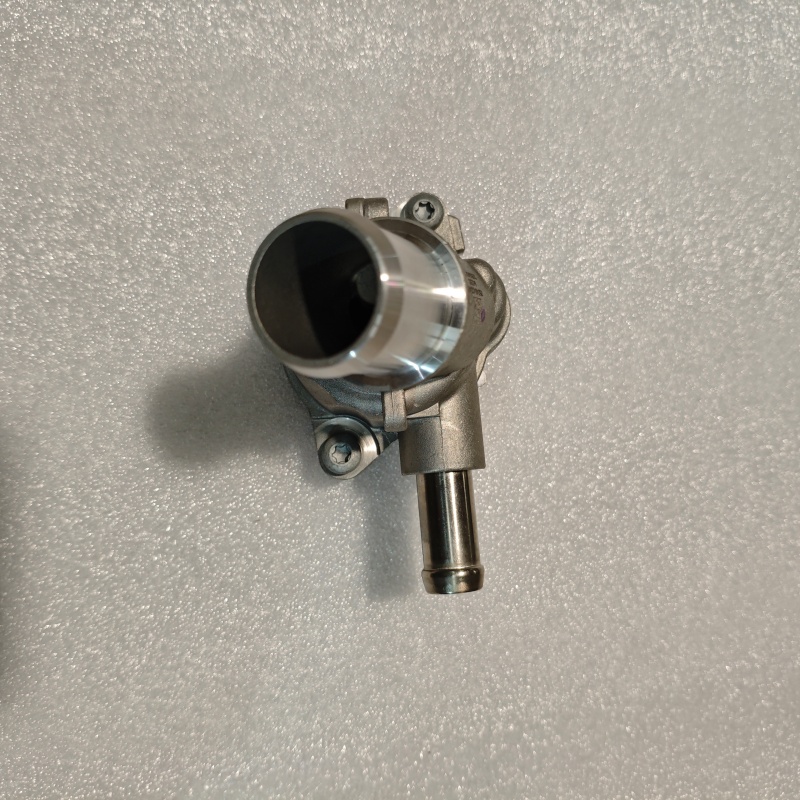
The information provided by the Brake Vacuum Booster Pressure Sensor is vital for several key operations. It enables the ECM to optimize engine idle speed and performance by compensating for the load placed on the engine when the brakes are applied, as the booster draws vacuum from the engine’s intake manifold. More importantly, it is a critical input for advanced driver-assistance systems (ADAS), such as brake assist and stability control. By precisely detecting the rate and force of a brake pedal application, these systems can provide emergency braking support if needed. A faulty sensor can trigger warning lights, lead to a hard brake pedal feel, reduce fuel efficiency, and potentially impair the function of related electronic safety systems. Therefore, maintaining a fully operational pressure sensor is essential for the integrity of the entire power braking and vehicle safety ecosystem. When replacement is necessary, it is imperative to use a high-quality, vehicle-specific part to ensure accurate readings and reliable system communication.