In the intricate symphony of a modern engine, precise valve timing is critical for performance, efficiency, and longevity. This precision hinges on the constant, zero-lash contact between the camshaft and the valves, a task masterfully handled by hydraulic tappets (also known as hydraulic lifters). More than just components that follow cam profiles, they play a fundamental role in maintaining the structural and operational harmony of the engine’s core. In essence, Hydraulic Tappets Align The Frame of the valve train, ensuring its integrity under all operating conditions.
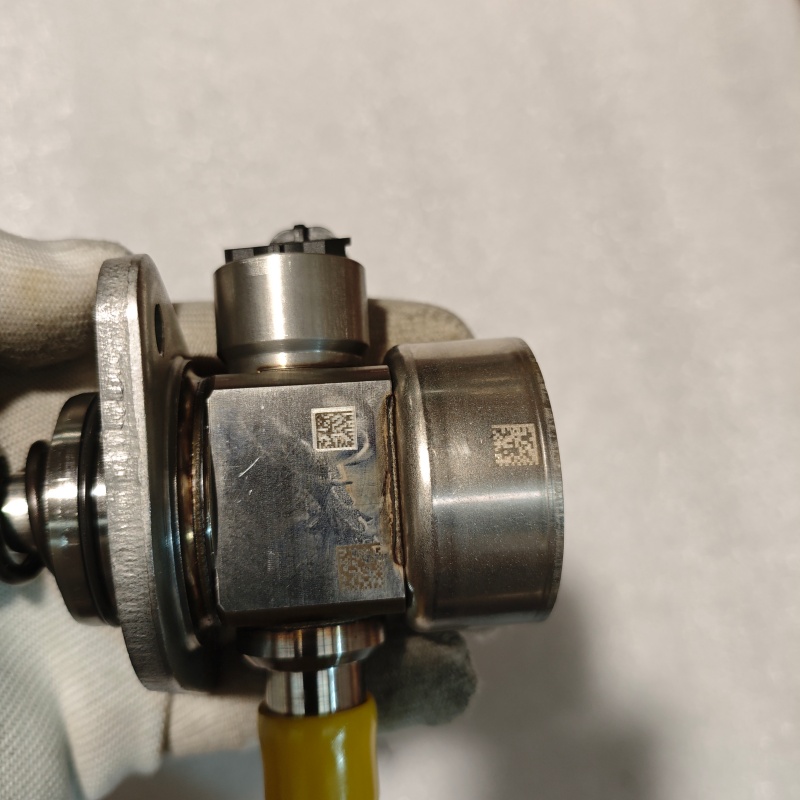
Unlike solid lifters that require manual adjustment, hydraulic tappets automatically compensate for thermal expansion and wear. They utilize engine oil pressure to maintain optimal clearance, eliminating the noisy tapping associated with excessive valve lash and preventing power loss from valves not opening fully. This self-adjusting capability is crucial because it allows the entire valve train—camshaft, tappets, pushrods, and rocker arms—to function as a single, cohesive unit. By ensuring constant contact without excessive force, the tappets keep the valvetrain geometrically aligned, reducing component stress and abnormal wear patterns.
The benefits of this alignment are profound. Engines equipped with properly functioning hydraulic tappets run quieter, smoother, and deliver consistent power. They protect other valve train components from shock loads and premature failure, thereby extending engine life. For daily drivers and performance vehicles alike, this translates to reliable operation and preserved engine health. When selecting replacement parts, choosing high-quality hydraulic tappets is not merely a repair—it is a reinvestment in the engine’s mechanical alignment. They are the silent, automated custodians of valvetrain geometry, foundational to the smooth and efficient operation of any internal combustion engine.