Before The Fuel Pipe Returns Fuel to the tank, it plays a crucial yet often overlooked role in a vehicle’s fuel system. This phase represents the final leg of a fuel injector’s duty cycle, where excess, unused gasoline is directed back to the fuel tank via the return line. This process is not merely about disposal; it is a fundamental design feature for maintaining optimal engine performance and fuel system health.
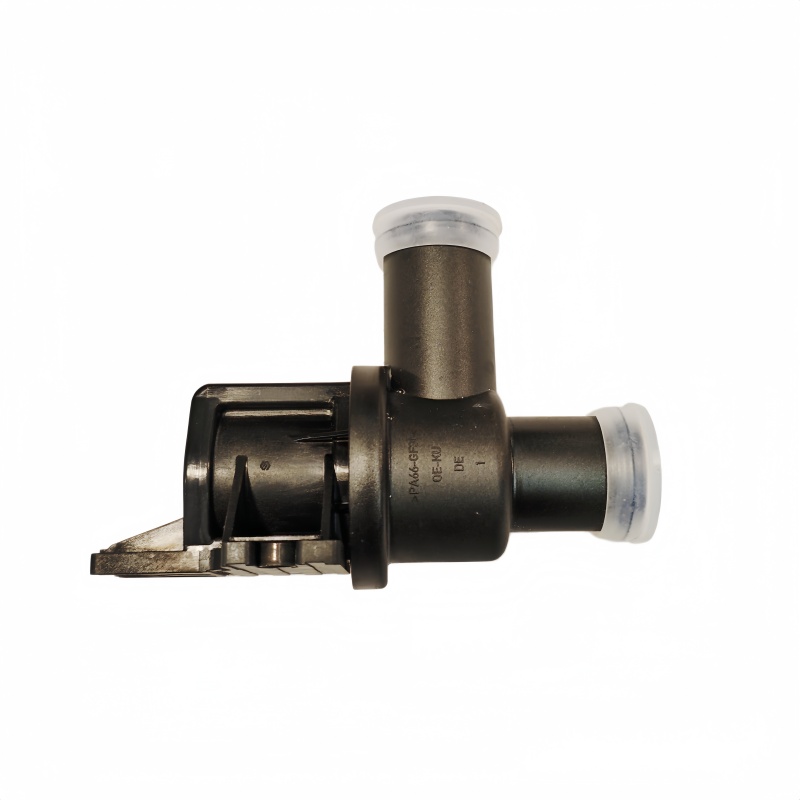
The primary function of this return flow is precise pressure regulation. Modern fuel injection systems require a constant, specific pressure at the fuel rail to ensure accurate metering by the injectors. As the engine demands vary, the fuel pressure regulator allows a controlled volume of fuel to bypass the rail and circulate back. This continuous circulation Before The Fuel Pipe Returns Fuel also serves as a critical cooling mechanism. It prevents fuel from overheating in the engine bay, which can cause vapor lock—a condition where fuel vaporizes in the lines and disrupts engine operation. Furthermore, this constant movement helps purge air bubbles from the system, ensuring a consistent, vapor-free liquid supply to the injectors.
Therefore, components involved in this return section, such as durable hoses, secure clamps, and properly functioning pressure regulators, are vital. They ensure this recirculation loop operates seamlessly. A failure here can lead to drivability issues, poor fuel economy, and increased emissions. Understanding the importance of the system’s operation before the fuel returns underscores the need for high-quality return line components, contributing directly to engine efficiency, reliability, and longevity.