The rear suspension system is a critical component for vehicle handling, stability, and ride comfort. In The Rear Lower Swing Arm, also commonly known as the rear lower control arm, plays a foundational role within this complex assembly. This robust, typically A-shaped or wishbone-shaped component is a primary structural link between the vehicle’s chassis or subframe and the rear wheel hub assembly. Its primary function is to maintain precise wheel alignment, control the arc of the wheel’s motion, and manage the forces generated during acceleration, braking, and cornering.
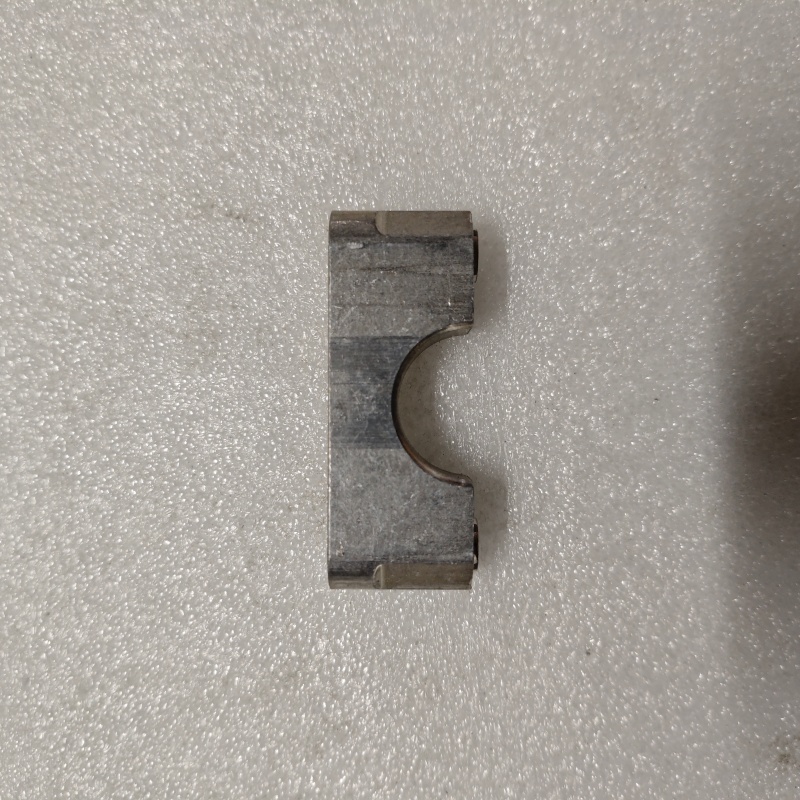
Constructed from high-strength steel, aluminum, or composite materials, the rear lower swing arm is engineered to withstand immense stress and torsional loads. It houses crucial mounting points for the rear suspension’s bushings and often serves as an attachment point for components like the coil spring, shock absorber, or anti-roll bar link. The integrity of the bushings at these pivot points is vital, as they allow for controlled movement while isolating road vibrations and noise from the passenger cabin.
Over time and under demanding driving conditions, the rear lower swing arm can succumb to wear and damage. Impact from road hazards, corrosion from road salt, and worn bushings can compromise its performance. A faulty swing arm often manifests as vague steering, uneven tire wear, excessive noise over bumps, or a noticeable change in the vehicle’s rear alignment. When such symptoms arise, inspection is imperative. Replacing a damaged or worn swing arm restores the geometric precision of the rear suspension, ensuring optimal tire contact, predictable handling, and overall driving safety. For performance applications, upgraded arms may offer adjustability for fine-tuning alignment settings like camber or toe.