In modern engine management systems, precise air-fuel ratio control is paramount for performance, fuel efficiency, and meeting emissions standards. The component known as Dz Before The Oxygen Sensor plays a critical, yet often overlooked, role in this precise calibration. Positioned in the exhaust manifold upstream of the primary oxygen sensor, this device is integral to the vehicle’s diagnostic and fuel trim strategy.
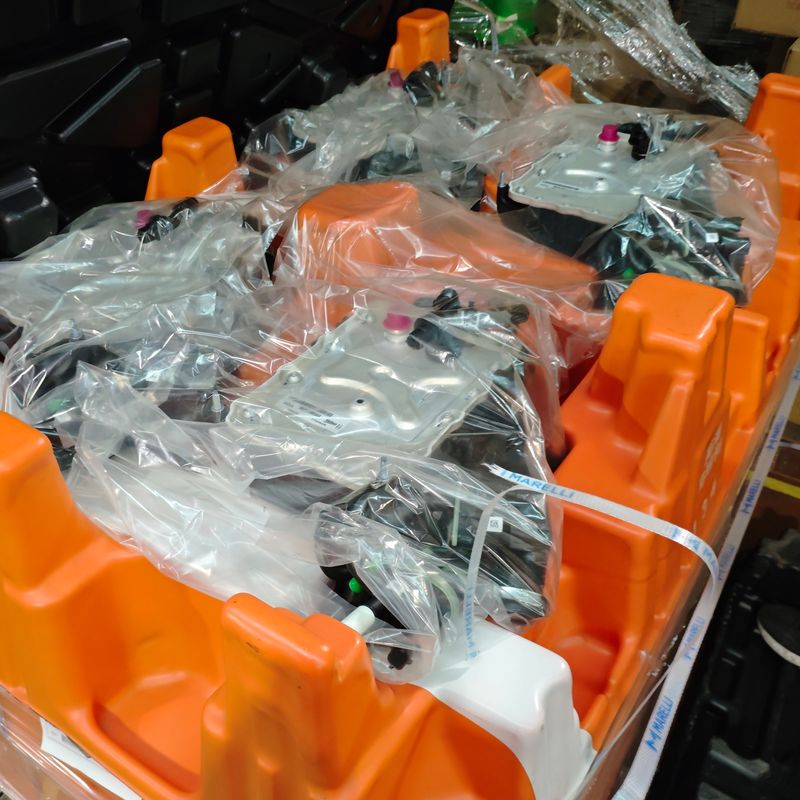
The primary function of the Dz Before The Oxygen Sensor is to monitor the exhaust gas composition before it reaches the main catalytic converter. It provides the engine control unit (ECU) with crucial preliminary data on the combustion process. This information allows the ECU to make faster, more anticipatory adjustments to the fuel injection pulse width. Essentially, it works in conjunction with the primary oxygen sensor to create a more responsive and stable feedback loop. This results in smoother idle, improved throttle response, and more consistent engine performance under varying loads.
For vehicles equipped with this sensor, its failure or degradation can lead to noticeable drivability issues. Common symptoms include erratic idle, hesitation during acceleration, increased fuel consumption, and the illumination of the check engine light. Fault codes related to the sensor circuit or its performance will often be stored in the ECU. When replacing this component, it is vital to use a high-quality, direct-fit part designed to meet the original specifications. Proper installation ensures accurate readings, allowing the engine management system to maintain the optimal air-fuel mixture, thereby protecting the catalytic converter and ensuring the vehicle runs cleanly and efficiently.