D-Pillar Reinforcing Ribs are a critical structural component integrated into the vehicle’s rear section, specifically within the D-pillar—the vertical support structure located behind the rear doors on most sedans and SUVs. These ribs are not merely cosmetic additions; they are engineered reinforcements designed to enhance the overall torsional rigidity and crashworthiness of the vehicle’s body-in-white. By strategically adding strength to this often-overlooked area, they play a fundamental role in maintaining structural integrity during side-impact collisions and rollover events, directly contributing to passenger cabin safety and occupant protection.
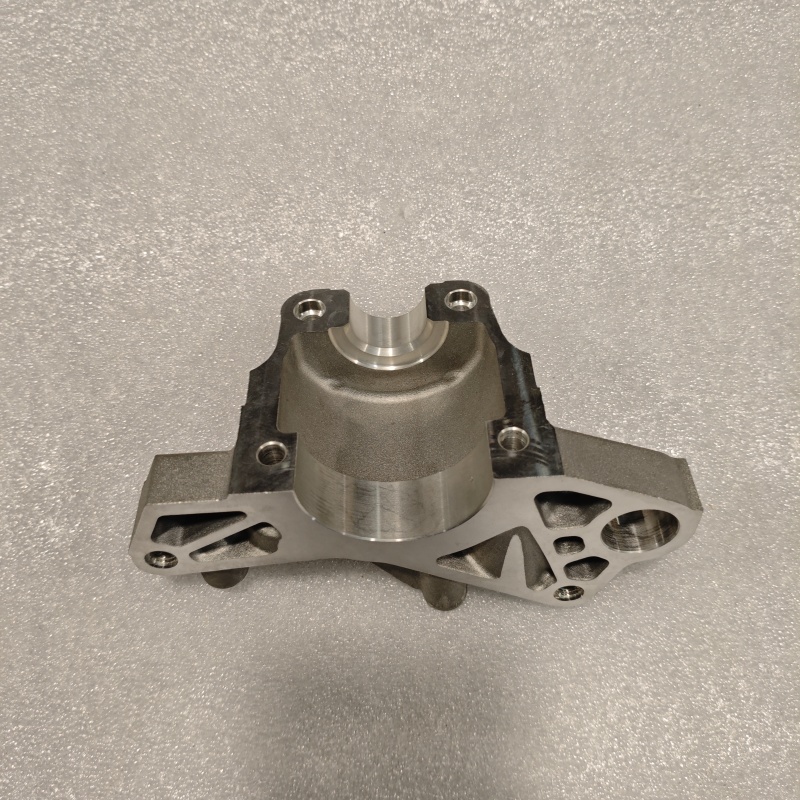
The implementation of these reinforcing ribs is a precise engineering feat. Typically fabricated from high-strength steel or advanced composite materials, they are carefully shaped and integrated into the pillar’s inner structure during manufacturing. This design increases the pillar’s resistance to deformation by distributing and absorbing kinetic energy more effectively. Beyond safety, this added rigidity translates to tangible improvements in everyday driving dynamics. A stiffer body structure reduces flex and vibration, leading to a more solid and refined driving feel, improved handling responsiveness, and a reduction in noise, vibration, and harshness (NVH) from the rear of the vehicle.
For automotive manufacturers and aftermarket suppliers, these components represent a commitment to both safety and quality. They are a key differentiator in vehicle design, underscoring an attention to detail that prioritizes long-term durability and performance. When specifying or replacing structural parts, understanding the function of the D-Pillar Reinforcing Ribs is essential. They are a silent guardian within the vehicle’s architecture, ensuring that the rear structure performs its vital protective role reliably throughout the vehicle’s lifespan.