Crankshaft Lower Bearing Shells are fundamental yet critical components within an internal combustion engine’s rotating assembly. Positioned within the main bearing caps of the engine block, these semi-circular shells form the lower half of the housing that cradles and supports the crankshaft. Their primary function is to provide a precisely engineered, low-friction bearing surface, allowing the crankshaft to rotate smoothly and freely under immense loads and at high rotational speeds.
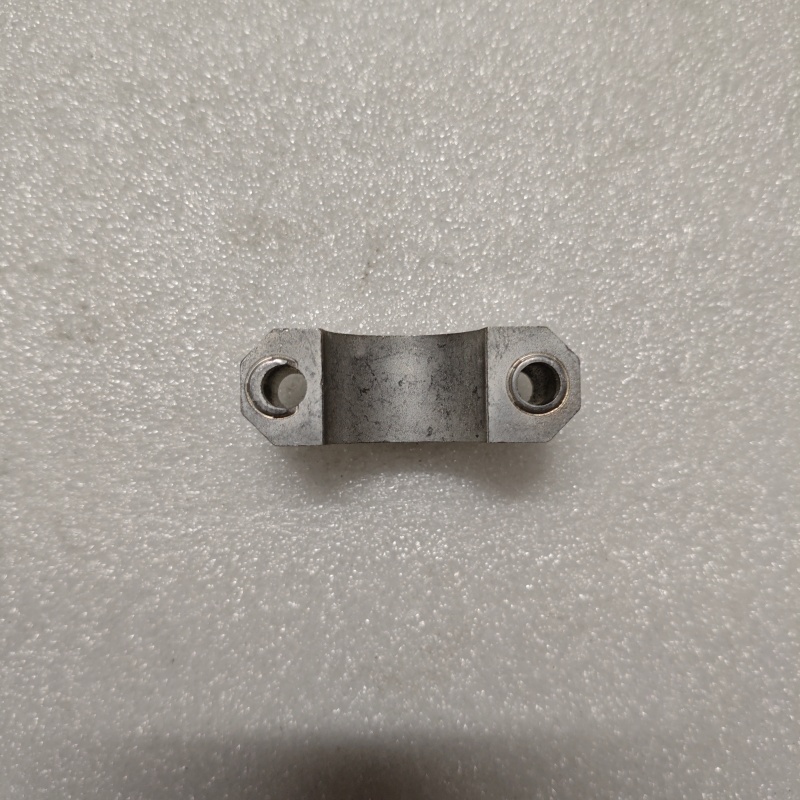
Constructed from a durable steel backing layered with a specialized bearing material, these shells are engineered for performance and longevity. The inner lining, often a soft alloy containing elements like copper, tin, or aluminum, is designed to be slightly sacrificial. It embeds microscopic particles, conforms to minor imperfections, and helps dampen vibrations, thereby protecting the far more expensive crankshaft and engine block from wear and damage. A precise oil clearance between the shell’s surface and the crankshaft journal is maintained, ensuring a constant film of engine oil for hydrodynamic lubrication, which minimizes metal-to-metal contact.
The failure or excessive wear of these components can lead to catastrophic engine damage. Symptoms include persistent low oil pressure, audible knocking sounds from the engine bottom end, and severe performance loss. Therefore, during any major engine rebuild or repair involving the crankshaft, replacing these bearing shells with precision-matched sets is a mandatory and non-negotiable step. Selecting the correct size and grade, as specified by the engine manufacturer, is paramount to restoring engine integrity, ensuring proper oil pressure, and guaranteeing long-term reliability. Their proper installation sets the foundation for thousands of miles of dependable engine operation.