Brake Vacuum Check Valve
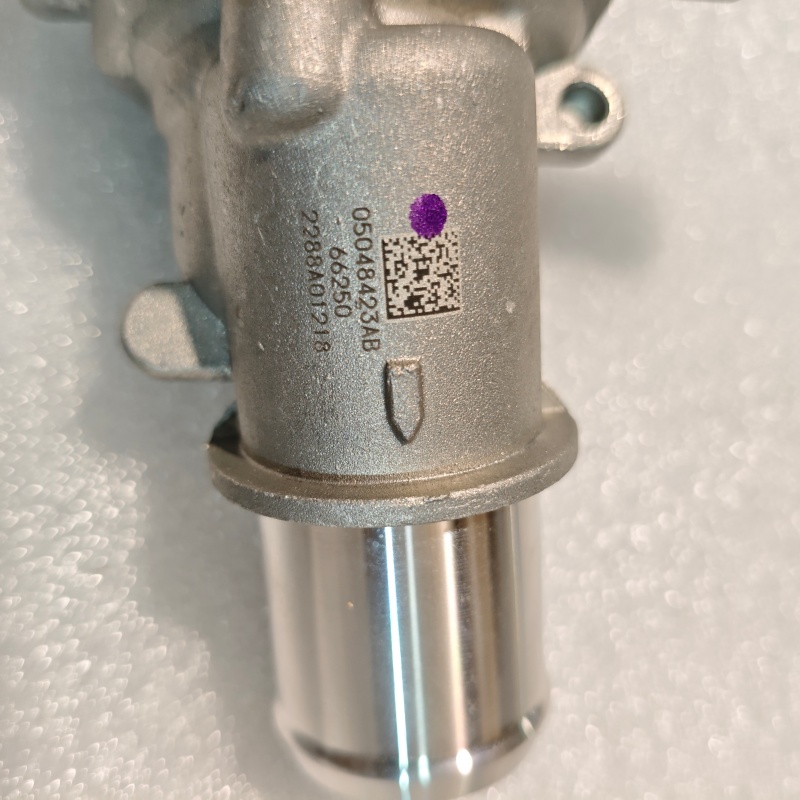
A critical yet often overlooked component in modern vehicle braking systems is the brake vacuum check valve. This small, one-way valve plays an indispensable role in ensuring consistent braking power and driver safety. Located within the vacuum hose connecting the brake booster to the engine’s intake manifold, its primary function is to allow air to flow in only one direction: from the booster towards the engine.
During normal operation, the engine creates vacuum, which is stored in the brake booster. This vacuum amplifies the force the driver applies to the brake pedal, making braking significantly easier. The check valve’s job is to trap and maintain this vacuum in the booster when the engine is off or when manifold vacuum is low, such as during wide-open throttle. If this valve fails, vacuum can leak out, leading to a hard brake pedal, increased stopping distances, and a severe loss of power assist. Symptoms of a faulty valve include a hissing noise near the pedal, a spongy or stiff pedal feel, and overall reduced braking efficiency.
Regular inspection of this valve is recommended during routine maintenance. Testing is straightforward, often involving checking for air flow in both directions. Replacement is typically simple and cost-effective. For any vehicle, ensuring the integrity of the brake vacuum check valve is a vital step in maintaining optimal braking performance and safety on the road. Always consult your vehicle’s service manual or a professional technician for specific guidance.