The Front Axle Intermediate Shaft is a critical drivetrain component in vehicles, particularly those with front-wheel drive or all-wheel drive configurations. Its primary function is to transmit torque from the transaxle or transmission to the front wheels, enabling propulsion. In many modern vehicle designs, the engine and transaxle are mounted transversely. This layout creates a need for a shaft that can bridge the distance between the transaxle’s differential output and the front wheel hub, especially on the side farther from the power source. The Front Axle Intermediate Shaft serves this essential connecting role.
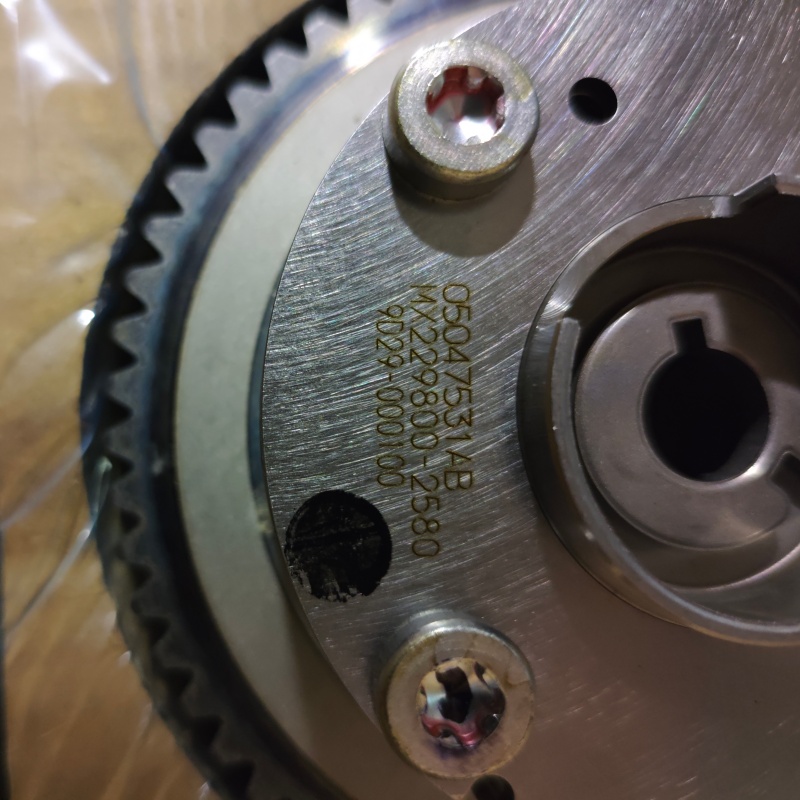
Typically, this shaft is a solid or tubular steel component fitted with constant velocity (CV) joints at both ends. These CV joints are crucial as they allow the shaft to transfer power smoothly even while accommodating the up-and-down motion of the suspension and the steering angles of the wheels. The shaft must maintain perfect balance and integrity to prevent vibrations, known as driveline shudder, which can be felt in the steering wheel or vehicle floor during acceleration. A high-quality intermediate shaft is engineered for precise fitment, durability, and minimal rotational friction.
Failure of this component can lead to significant drivability issues. Common symptoms of a worn or damaged Front Axle Intermediate Shaft include loud clicking noises during sharp turns, excessive vibration during acceleration, and grease leakage from torn CV joint boots. Regular inspection of the CV joints and boots is recommended. When replacement is necessary, it is vital to choose a premium OEM-specification part to ensure optimal performance, vehicle safety, and the longevity of the entire drivetrain system. This component is fundamental to delivering a smooth and responsive driving experience.