In the intricate ecosystem of a vehicle’s engine bay, managing heat is paramount for performance, efficiency, and longevity. Warm Air Pipes For Heat Dissipation play a critical, yet often overlooked, role in this thermal management process. These specialized ducts are engineered to channel hot air away from sensitive components, such as the engine block, turbocharger, or exhaust manifold, and direct it efficiently out of the engine compartment.
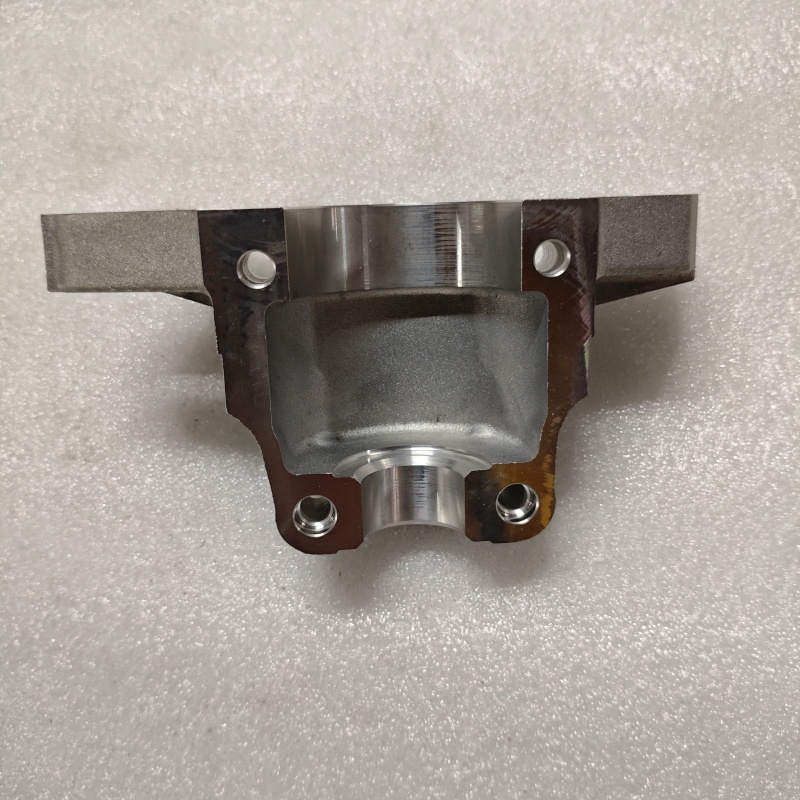
Constructed from high-quality, heat-resistant materials like silicone or reinforced rubber composites, these pipes withstand extreme temperatures and under-hood environmental stress. Their primary function is to create a dedicated pathway for waste heat, preventing it from accumulating around vital parts like the air intake, electronic sensors, or wiring harnesses. By effectively expelling this warm air, they help maintain optimal operating temperatures for key systems. This directly contributes to preventing heat soak, which can lead to reduced engine efficiency, increased risk of pre-ignition, and potential damage to surrounding plastic and rubber components.
For performance enthusiasts and everyday drivers alike, integrating durable warm air pipes is a proactive measure for vehicle care. They ensure that the engine breathes cooler, denser air, which can support more consistent power output and improved throttle response. Furthermore, by alleviating excessive under-hood temperatures, these pipes aid in protecting other investments in aftermarket parts and contribute to overall drivetrain reliability. Essentially, they are a fundamental component in preserving the balanced thermal dynamics essential for any modern vehicle’s health and performance.