Intake Manifold Heat Pad
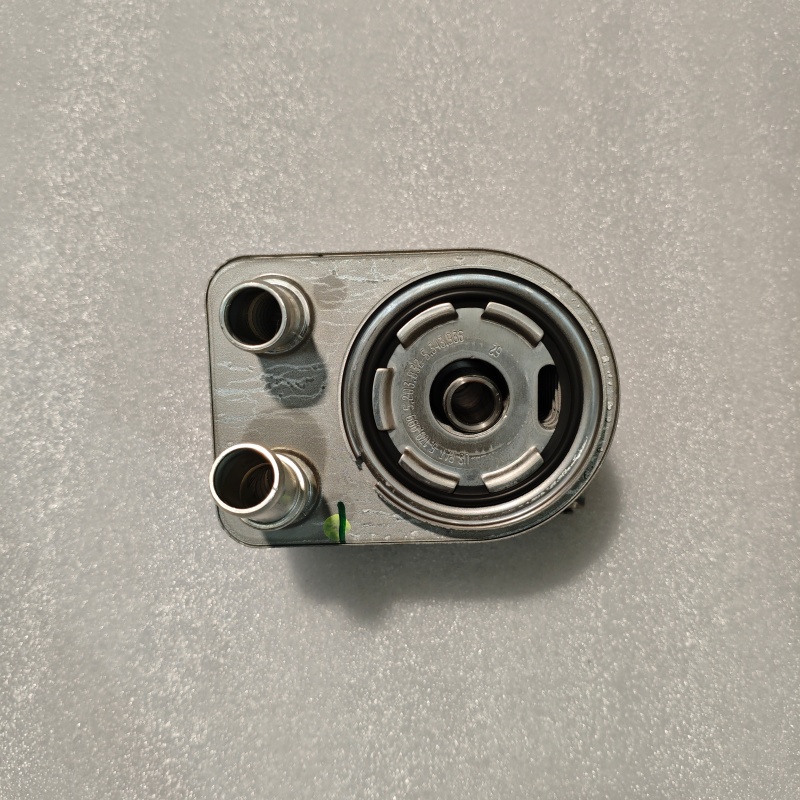
In the intricate ecosystem of an internal combustion engine, managing heat is a critical challenge. Excessive heat transfer to the intake manifold can significantly impact engine performance, efficiency, and drivability. This is where a specialized component, the Intake Manifold Heat Pad, becomes an essential upgrade for both performance enthusiasts and everyday drivers seeking optimal operation.
The primary function of an Intake Manifold Heat Pad is to act as a thermal barrier. Installed between the intake manifold and the cylinder head, it effectively insulates the manifold from the intense engine block heat. This isolation is crucial because a cooler intake manifold maintains a lower temperature for the incoming air-fuel mixture. A denser, cooler charge of air contains more oxygen molecules, which leads to more complete and powerful combustion within the cylinders. The result is often a noticeable improvement in throttle response and a reduction in the risk of pre-ignition or "knock," especially under load or in high-temperature environments.
Beyond performance gains, this heat management directly contributes to engine efficiency. By preventing the fuel in the intake runners from vaporizing prematurely, the engine’s electronic control unit (ECU) can maintain more precise fuel metering. This promotes consistent air-fuel ratios, potentially improving fuel economy and reducing emissions. Furthermore, the pad protects sensitive intake manifold components, such as gaskets and sensors, from prolonged exposure to extreme heat, which can extend their service life and promote overall engine bay longevity.
Crafted from high-temperature, non-compressible materials like composite fibers or specialized ceramics, a quality Intake Manifold Heat Pad is designed for durability and resilience under hood conditions. For anyone experiencing heat soak issues, seeking marginal performance gains, or simply wanting to protect their engine’s intake system, installing this thermal barrier is a straightforward and highly effective solution. It represents a simple yet intelligent modification for preserving the integrity and efficiency of the engine’s air induction pathway.