In the realm of automotive maintenance, certain symptoms provide clear diagnostic clues. "The Cylinder Pad Is Hard On The Right" is one such indicator, often pointing directly to an issue within the vehicle’s braking system. This specific condition, where the brake cylinder pad on the right side exhibits abnormal hardness or stiffness, is a critical alert that should not be ignored by any driver or technician.
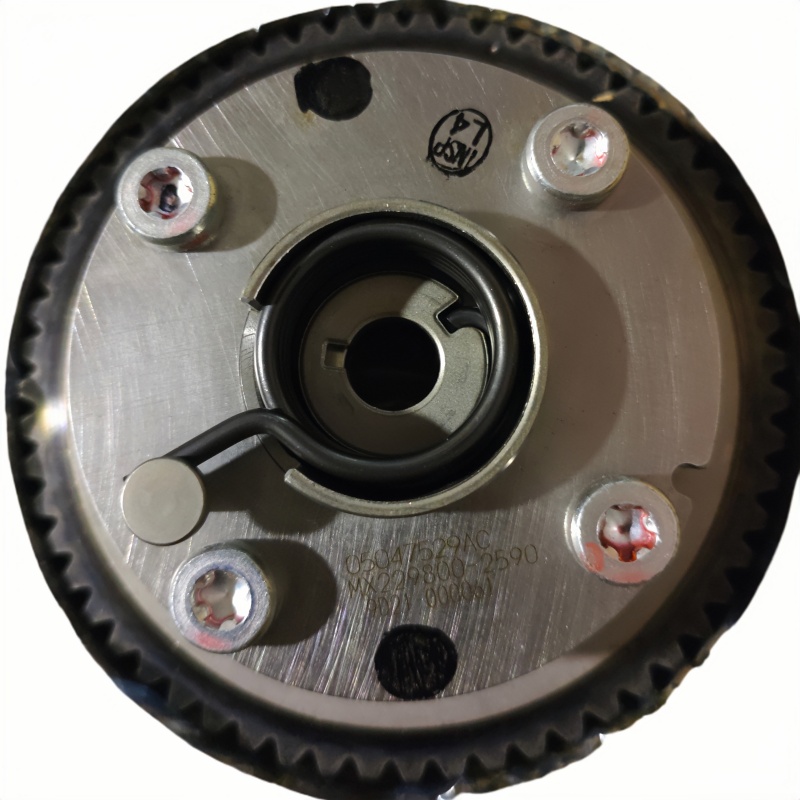
A brake cylinder pad that becomes unnaturally hard typically results from prolonged exposure to excessive heat or a failure in the hydraulic pressure distribution. This hardening process, often called glazing or crystallization, drastically reduces the pad’s friction coefficient. Consequently, the affected right-side pad cannot generate the necessary gripping force against the rotor, leading to significantly imbalanced braking. The vehicle may pull sharply to the left during stops, cause uneven and accelerated wear on both pads and rotors, and create a disturbing vibration felt through the brake pedal. In severe cases, this imbalance compromises overall stopping power and vehicle control, presenting a serious safety hazard.
Addressing this condition promptly is paramount. The solution usually involves a comprehensive inspection of the entire right-side brake assembly. Simply replacing the hardened pad is often insufficient; the root cause must be identified. Technicians will examine the caliper piston for proper movement, check the brake hose for internal collapse restricting fluid return, and ensure the brake fluid is clean and free of contamination. Typically, replacing the hardened brake pads in an axle set (both front or both rear), along with servicing or replacing any faulty caliper or hose components, restores proper pressure application and pad flexibility. This ensures even contact and reliable, balanced braking force across both sides of the vehicle.
Therefore, when the symptom "The Cylinder Pad Is Hard On The Right" is observed, it serves as a direct call to action for immediate brake system service. Prioritizing this repair not only fixes the immediate imbalance but also protects the entire braking system from cascading damage, ensuring optimal performance and safety.