In modern automotive fuel systems, managing fuel vapor is a critical aspect of both performance and environmental compliance. The primary cause of fuel vapor loss is Gasoline Pipe Evaporation, a phenomenon where gasoline volatilizes into vapor within the fuel lines and components, especially during engine heat soak or in hot ambient conditions. This process not only leads to a gradual loss of fuel, reducing efficiency, but also increases hydrocarbon emissions, which are strictly regulated.
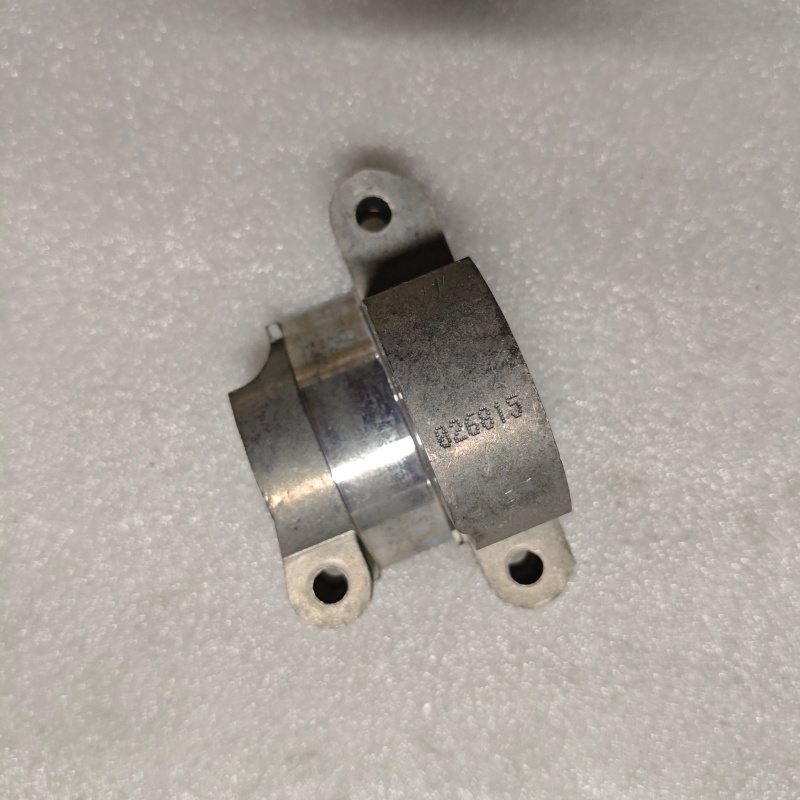
Our specialized range of fuel system components is engineered specifically to combat Gasoline Pipe Evaporation. We utilize advanced multi-layer nylon or fluoropolymer materials in our fuel lines and hoses, which feature exceptionally low permeability. This construction creates a robust barrier, significantly reducing the transmission of fuel vapors through the pipe walls. Furthermore, our designs ensure tight, secure connections at all fittings and junctions, eliminating potential escape points for vapor.
For vehicles requiring enhanced emissions control, our products integrate seamlessly with Evaporative Emission Control (EVAP) systems. By minimizing the vapor generation at the source—the fuel pipes themselves—our components reduce the workload on the charcoal canister and related valves. This leads to more consistent system performance, helps maintain optimal fuel pressure, and ensures reliable engine starts, particularly in warm weather. Investing in high-quality parts designed to address Gasoline Pipe Evaporation is a direct investment in your vehicle’s efficiency, reliability, and environmental footprint.