When installing or servicing your vehicle’s cooling system, a critical point of awareness is that the thermostat cover is not padded. This component, also known as the thermostat housing, is a rigid structure, typically crafted from metal or durable plastic, designed to form a secure seal around the thermostat itself. Its primary function is to withstand the pressure and thermal cycles of the engine’s coolant without compromising the integrity of the gasket seal.
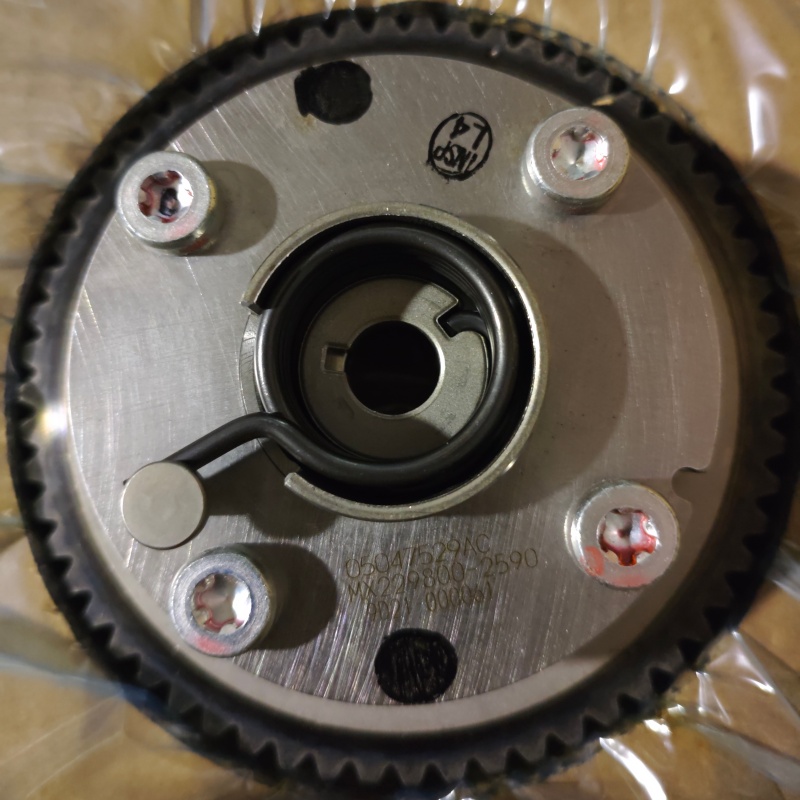
The absence of padding is an intentional engineering design. The cover must be torqued to the engine block or intake manifold with precise specifications to evenly compress a gasket. This gasket is the sole sealing element, preventing leaks of hot coolant. Any form of internal padding or soft lining would interfere with this compression, leading to an uneven seal, potential warping, and almost certain coolant leakage. Furthermore, non-metallic padding materials could degrade under constant exposure to high temperatures and corrosive coolant, introducing contaminants into the system.
Therefore, proper installation is paramount. Always ensure the mating surfaces of both the cover and the engine are clean, flat, and free of old gasket material. Use a new, high-quality gasket specified for your vehicle model. Follow the manufacturer’s recommended torque pattern and values precisely, often in a sequence and in incremental steps, to achieve an even clamp load. Remember, the thermostat cover is not padded; it relies on correct mechanical fastening and a proper gasket to form a perfect, reliable seal for thousands of miles of dependable operation.