The Electronic Valve Vacuum Tube is a critical yet often overlooked component within a modern vehicle’s engine management system. This specialized hose serves as the vital conduit for engine vacuum, transmitting precise vacuum signals to control a variety of electronic valves and actuators. These valves, in turn, regulate essential functions such as exhaust gas recirculation (EGR), turbocharger boost control, and emissions system operation. The integrity and performance of this tube are fundamental to engine efficiency, power delivery, and adherence to environmental standards.
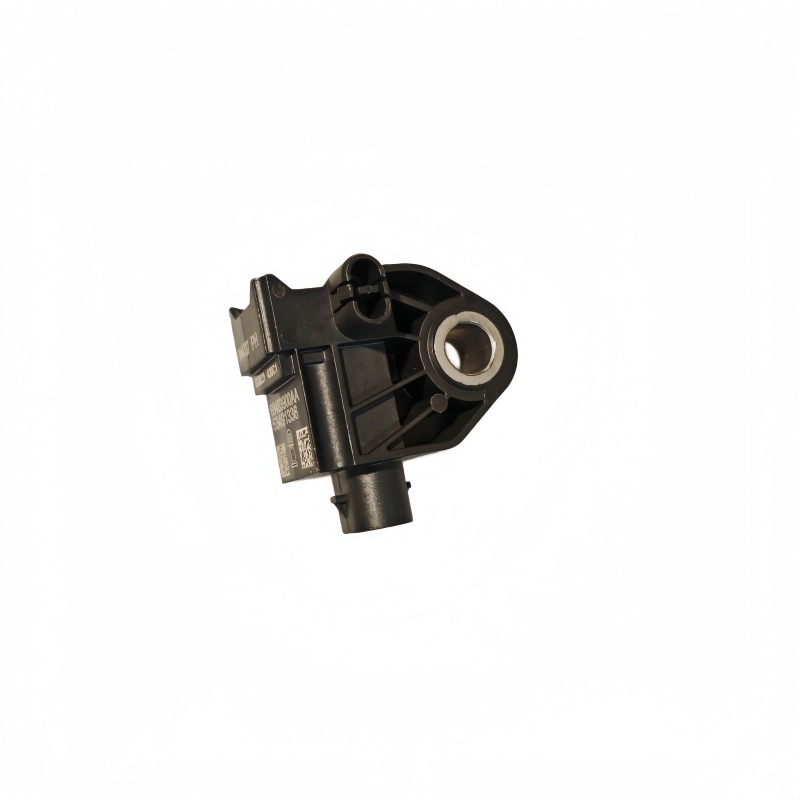
Constructed from high-grade, heat-resistant materials, the Electronic Valve Vacuum Tube is engineered to withstand the harsh underhood environment. It must resist degradation from extreme temperatures, exposure to oils and fuels, and constant vibration. A compromised tube—cracked, softened, or disconnected—can lead to vacuum leaks. These leaks disrupt the precise vacuum signals, causing faulty valve operation. Symptoms often include a rough idle, reduced engine power, poor fuel economy, and the illumination of the check engine light. In turbocharged applications, a faulty tube can directly impact boost pressure control, leading to inconsistent performance.
When replacing this component, it is crucial to select an exact OEM-specification part. The tube’s internal diameter, length, and connector fittings must match the original design to ensure proper vacuum flow and a secure connection. Regular inspection during routine maintenance is recommended. Look for signs of brittleness, cracks, or loose connections at the valve ports. Installing a fresh, high-quality Electronic Valve Vacuum Tube restores the accuracy of your engine’s control systems, ensuring optimal combustion, reliable performance, and lower emissions for the lifespan of your vehicle.