Intake Adjustment Valve
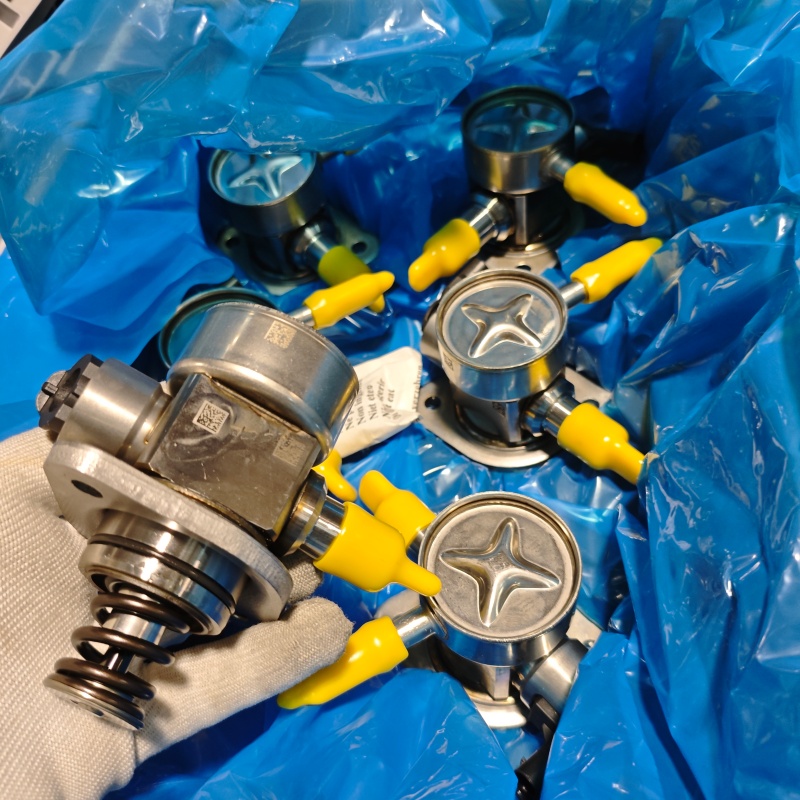
In the intricate symphony of a modern internal combustion engine, precise air management is paramount for performance, efficiency, and emissions control. The Intake Adjustment Valve plays a critical role in this process, acting as a sophisticated gatekeeper for the engine’s airflow. This component is typically part of the intake manifold system, designed to dynamically alter the path or characteristics of the air entering the combustion chambers.
The primary function of the Intake Adjustment Valve is to optimize engine performance across different RPM ranges. At lower engine speeds, it helps to create a more turbulent, faster-moving air charge by adjusting the intake runner length or volume, thereby improving low-end torque and throttle response. As engine speed increases, the valve adjusts to allow a smoother, higher-volume airflow, supporting maximum horsepower output at higher RPMs. This intelligent modulation ensures a broad and flexible power band, enhancing the overall driving experience.
Commonly controlled by the engine’s electronic control unit (ECU) via a vacuum actuator or an electric motor, this valve responds in real-time to driving conditions. A faulty or stuck Intake Adjustment Valve can lead to a range of issues, including reduced power, poor fuel economy, rough idling, and increased emissions. Regular inspection and maintenance of this component are essential for preserving engine vitality. For vehicle owners seeking to maintain peak engine operation, ensuring the integrity and proper function of the Intake Adjustment Valve is a key consideration in any servicing regimen.