The Brake Vacuum Pump Check Valve Elbow is a critical, yet often overlooked, component within a vehicle’s braking and engine management systems. This specialized fitting serves a dual purpose, combining a physical connection with a vital check valve function. Primarily, it provides the necessary angled connection between the vacuum pump and the brake booster hose or vacuum line, ensuring a secure and leak-free pathway.
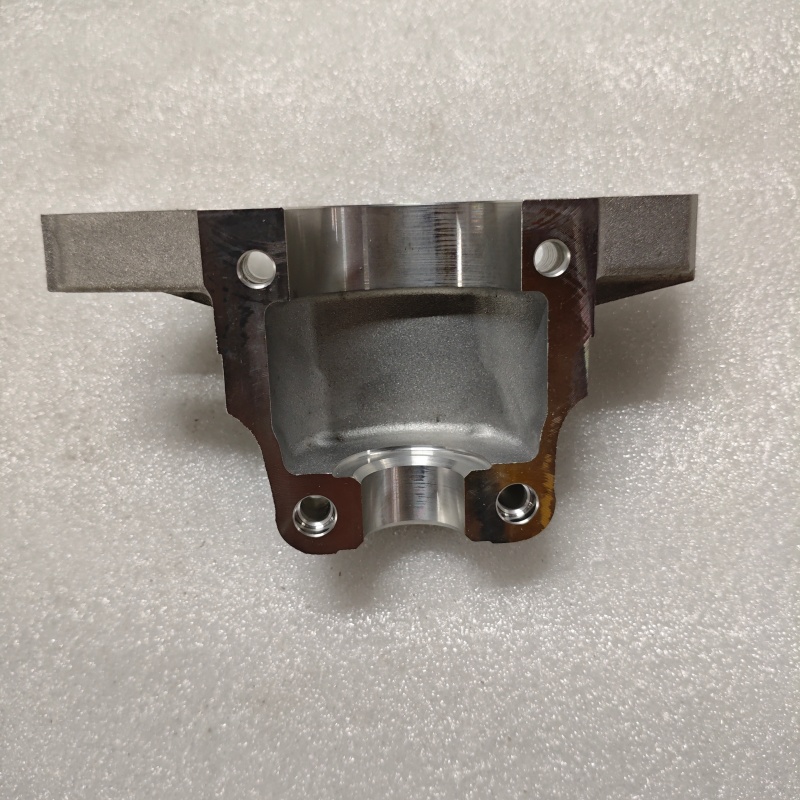
Its integrated one-way check valve is the core of its functionality. This valve allows air to flow in only one direction: from the vacuum pump towards the brake booster. It actively prevents any backflow of air or pressure from the booster towards the pump. This is essential for maintaining consistent vacuum levels in the brake booster reservoir. A strong, reliable vacuum is what allows for power-assisted braking, requiring minimal pedal effort from the driver. Without this valve, vacuum could easily leak back, leading to a hard brake pedal, increased stopping distances, and a significant safety risk.
Furthermore, this component plays a role in protecting the vacuum pump itself. By preventing pressure backflow, it reduces unnecessary strain on the pump, contributing to its longevity and consistent performance. Symptoms of a failing Brake Vacuum Pump Check Valve Elbow include a spongy or increasingly stiff brake pedal, a hissing noise from the brake pedal area, or overall poor braking performance. When such issues arise, inspecting and replacing this elbow with a high-quality, vehicle-specific part is crucial for restoring optimal brake system integrity and ensuring driver safety. Always consult your vehicle’s service manual for proper identification and installation procedures.