Rear Axle Housing Blockage is a significant and often overlooked issue that can lead to severe damage in a vehicle’s drivetrain. The rear axle housing is a critical component that encloses the differential, axle shafts, and gear lubricant. Its primary function is to protect these internal parts from contaminants while ensuring proper lubrication. A blockage typically occurs when the housing’s vent, which regulates internal pressure, becomes clogged with mud, dirt, or debris. This can also happen due to a buildup of sludge from degraded gear oil or internal component failure.
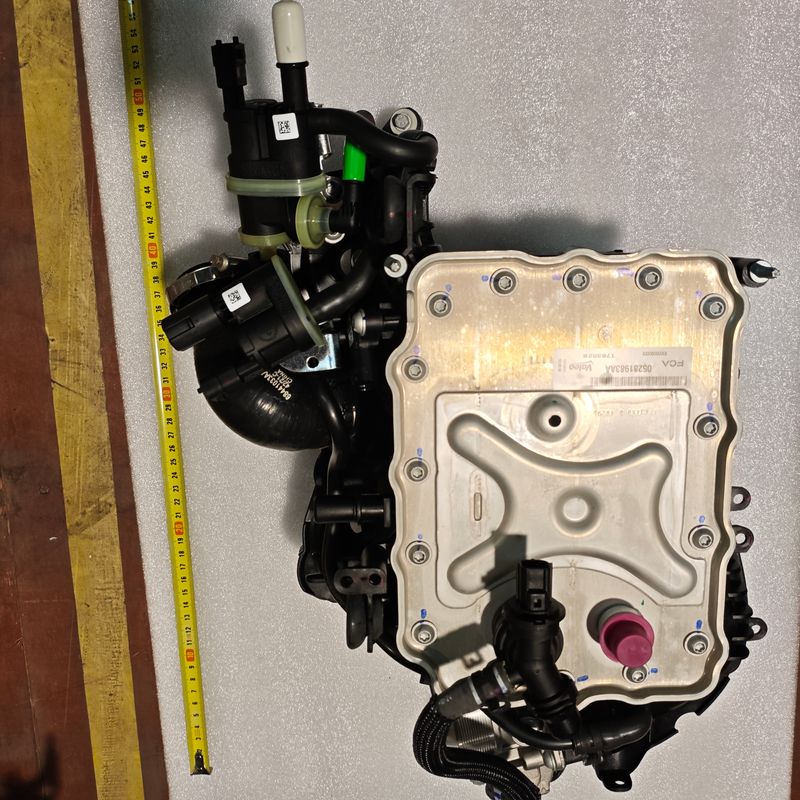
When a blockage is present, it prevents the equalization of air pressure inside the housing. As the differential gears operate, they generate significant heat, causing the air inside to expand. With the vent blocked, this pressure has no escape. The resulting pressure build-up can force gear oil past axle seals, leading to leaks and subsequent lubrication failure. Conversely, during cooldown, a vacuum can form, potentially drawing in water and contaminants from the external environment. This contaminated fluid drastically accelerates wear on bearings, gears, and other precision components, culminating in expensive repairs.
For automotive parts suppliers, offering high-quality replacement vents, seals, and cleaning solutions is essential. Educating customers on the importance of routine maintenance checks is equally vital. During regular service, the axle vent should be inspected and cleaned to ensure it is clear. Furthermore, adhering to the manufacturer’s recommended intervals for changing the differential fluid prevents sludge formation. Addressing a potential rear axle housing blockage proactively is a simple yet crucial step in preserving the integrity and longevity of the entire rear axle assembly, saving vehicle owners from catastrophic drivetrain failures and costly downtime.