When selecting components for vehicle suspension and chassis reinforcement, particular attention must be paid to the fit and geometry of mounting hardware. The right rear bar bracket is large, and this specific design characteristic is intentional and critical for several key performance and safety reasons. This component serves as the primary connection point between the rear anti-roll (sway) bar and the vehicle’s chassis or axle housing.
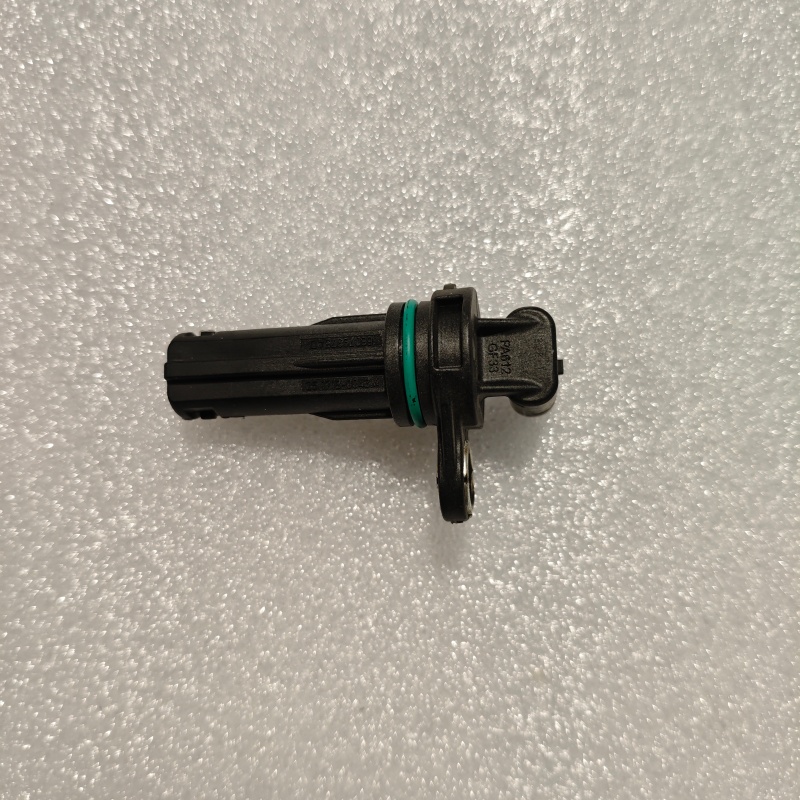
The increased size of this bracket directly translates to enhanced structural integrity. A larger bracket provides a greater surface area for welding or bolting, creating a more robust and durable connection that can withstand the significant torsional forces and stress generated during cornering and over uneven road surfaces. This design minimizes flex and fatigue at the mounting point, ensuring the anti-roll bar functions consistently as intended to reduce body roll and improve handling precision. Furthermore, the substantial size allows for the incorporation of heavier-gauge steel or reinforced materials without compromising the necessary clearances within the rear suspension assembly.
For installers and enthusiasts, understanding that the right rear bar bracket is large is crucial for verification during the fitting process. Its dimensions are precisely engineered to provide the correct alignment and pivot point for the sway bar end link, ensuring optimal suspension geometry. Always confirm that this bracket is correctly positioned and securely fastened according to the vehicle manufacturer’s or performance parts supplier’s specified torque settings. This attention to detail guarantees the longevity of the component and the sustained handling improvements it is designed to deliver.