When selecting replacement parts for your vehicle’s fuel or emission system, accuracy is paramount. A common and critical point of confusion arises with couplers and quick-connect fittings. This is where the directive "Coupler Look At The Physical Number" becomes an essential rule. Relying solely on the vehicle’s make, model, and year is often insufficient, as manufacturers may use multiple coupler variants across different production runs or engine types. The single most reliable method for identification is to physically inspect the part itself.
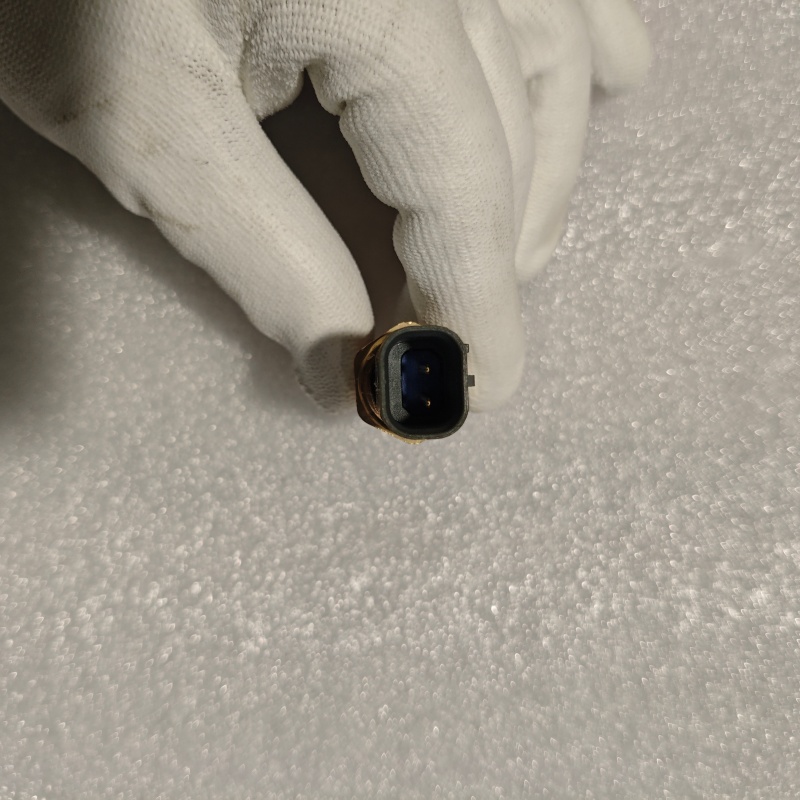
The "physical number" is a manufacturer-specific part code, typically molded or stamped directly onto the coupler’s body. This alphanumeric sequence is the unique fingerprint for that specific component. To apply this principle, locate the coupler in your vehicle—commonly found along fuel lines, near the fuel rail, or in vapor recovery lines. Carefully clean the fitting and look for the engraved code. This number, not the vehicle’s specifications, is what you must use when searching catalogs or ordering.
Using this precise identifier guarantees a perfect match in terms of diameter, thread pitch, locking mechanism, and material compatibility. It eliminates guesswork and prevents the installation of an incorrect part, which could lead to fuel leaks, poor engine performance, or failed emissions tests. For optimal safety and performance, always remember the golden rule: "Coupler Look At The Physical Number." This practice ensures you receive the exact OEM-equivalent or superior aftermarket component, resulting in a secure, leak-free connection and long-term reliability for your vehicle’s critical systems.