Turn The Left Rear Wheel
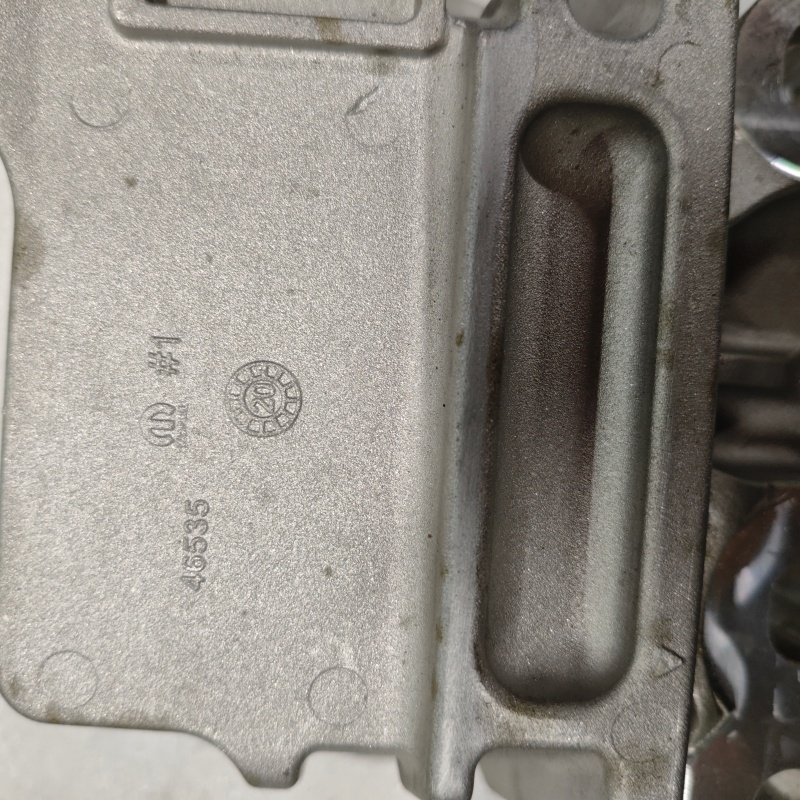
The instruction to "Turn The Left Rear Wheel" is a fundamental diagnostic and maintenance procedure that speaks directly to the heart of your vehicle’s drivetrain and suspension systems. This specific action is not merely about rotation; it is a critical test for identifying issues, performing installations, and ensuring the overall health of key automotive components. When you engage in this simple maneuver, you are actively checking the integrity and functionality of several essential parts.
Executing this turn by hand, with the vehicle safely raised and secured, allows for a direct assessment. A smooth, quiet rotation indicates well-lubricated and properly adjusted bearings within the wheel hub assembly. Any grinding, roughness, or unusual resistance immediately signals potential bearing failure, a serious concern that demands prompt attention. Furthermore, this action is an integral step when servicing the braking system. Turning the left rear wheel provides crucial feedback after replacing brake pads or rotors, helping to verify that the caliper is not seized and that the new components are not causing excessive drag.
For vehicles with a rear-wheel-drive or all-wheel-drive configuration, this procedure also engages the differential and the accompanying axle shaft. Listening for clicks or clunks during the turn can reveal worn constant velocity (CV) joints or other internal driveline problems. Whether you are a professional technician or a dedicated DIY enthusiast, the act to turn the left rear wheel serves as a primary, hands-on diagnostic tool. It transforms a basic motion into a powerful method for preemptively identifying wear in hubs, brakes, and axles, ensuring those critical components deliver the safety, performance, and reliability your vehicle requires.