With The Frame Number Upright
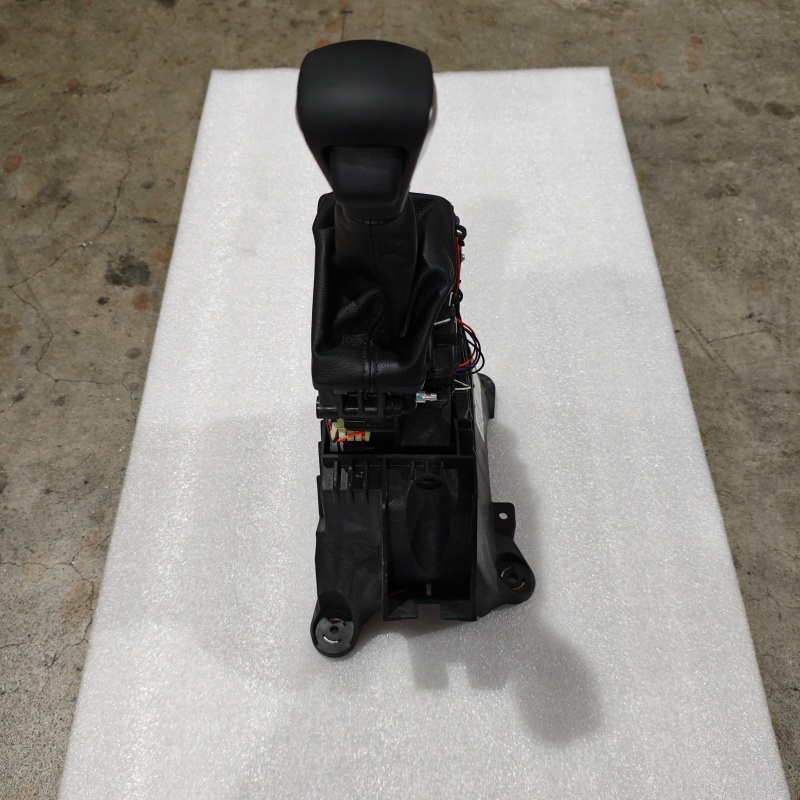
When installing a new component or performing critical maintenance on your vehicle, precision is paramount. One of the most fundamental, yet often overlooked, steps is ensuring you reference technical information with the frame number upright. This phrase is not merely a suggestion; it is an essential directive for accuracy and safety in the automotive world.
Vehicle service manuals, parts diagrams, and technical specifications are universally created with a standard orientation in mind: the vehicle’s frame number or VIN plate is positioned right-side up. This establishes a consistent "point of view" for all subsequent instructions. When you view an exploded diagram or a routing schematic with the frame number upright, you are seeing the component layout exactly as the engineers intended. The left and right sides, front and rear positions, and the spatial relationship between parts are correctly presented.
Failing to observe this principle can lead to costly and dangerous errors. A part labeled "right-hand side" in the manual could be misinterpreted if the diagram is consulted upside down, leading to the installation of a mirror-image component on the wrong side of the vehicle. Similarly, hose routing, wiring harness connections, and torque sequences rely on this standardized perspective. For DIY enthusiasts and professional technicians alike, adopting this disciplined approach before beginning any procedure is crucial. It eliminates rotational ambiguity, streamlines the identification process, and ensures that the correct part is ordered and installed correctly the first time. Always orient your vehicle’s information and your reference materials with the frame number upright—it is the cornerstone of a reliable and successful repair.