The Oil Pump Rotor Planetary Teeth are a critical internal component within a vehicle’s engine lubrication system. This assembly, often part of a gerotor-style oil pump, is responsible for the vital task of drawing engine oil from the sump and pressurizing it for circulation. Its precise operation ensures that all moving engine parts—from crankshaft bearings to camshaft lobes and valve train components—receive a constant, protective film of oil, preventing metal-to-metal contact and minimizing wear.
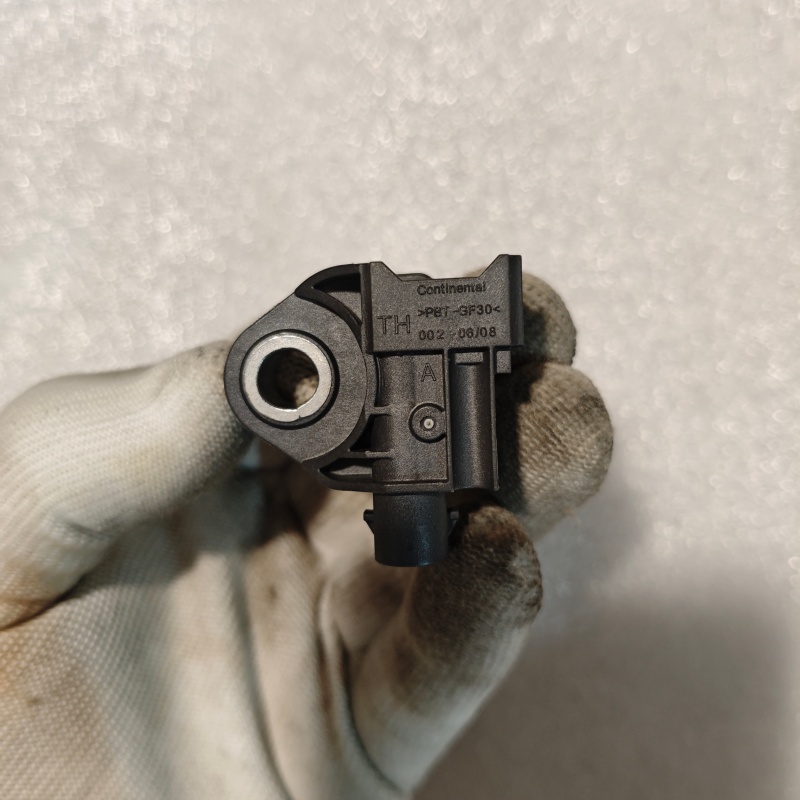
This planetary gear set consists of two primary elements: an inner rotor with external lobes (the "planet") and an outer rotor with internal lobes. The inner rotor, typically driven by the engine crankshaft or camshaft, has one fewer lobe than the outer rotor. As it rotates eccentrically within the outer rotor, the meshing of their teeth creates a series of expanding and contracting chambers. This action draws oil into the pump through the inlet port and then forces it under pressure toward the outlet port and into the engine’s oil galleries.
The geometry, material integrity, and precise machining of these teeth are paramount. Any deviation in tolerances, surface wear, or damage can lead to a significant drop in oil pressure, compromising engine lubrication. Common materials include powdered metal or high-grade steel, engineered for durability under constant operation. When servicing an oil pump, the clearance between these rotors is a key measurement; excessive clearance necessitates replacement of the entire rotor set to restore proper pump efficiency and maintain essential oil pressure for long-term engine health and performance.