In the intricate symphony of a vehicle’s engine, Piston Rings 1/ Vehicle perform a critical and multi-faceted role, directly influencing performance, efficiency, and longevity. These unassuming rings are precision seals fitted into the grooves of the piston, forming the crucial interface between the piston and the cylinder wall. Their primary function is to seal the combustion chamber, ensuring that the immense pressure generated during the power stroke is used to drive the piston downward with maximum force, rather than leaking into the crankcase. This sealing action is fundamental for maintaining engine compression and power output.
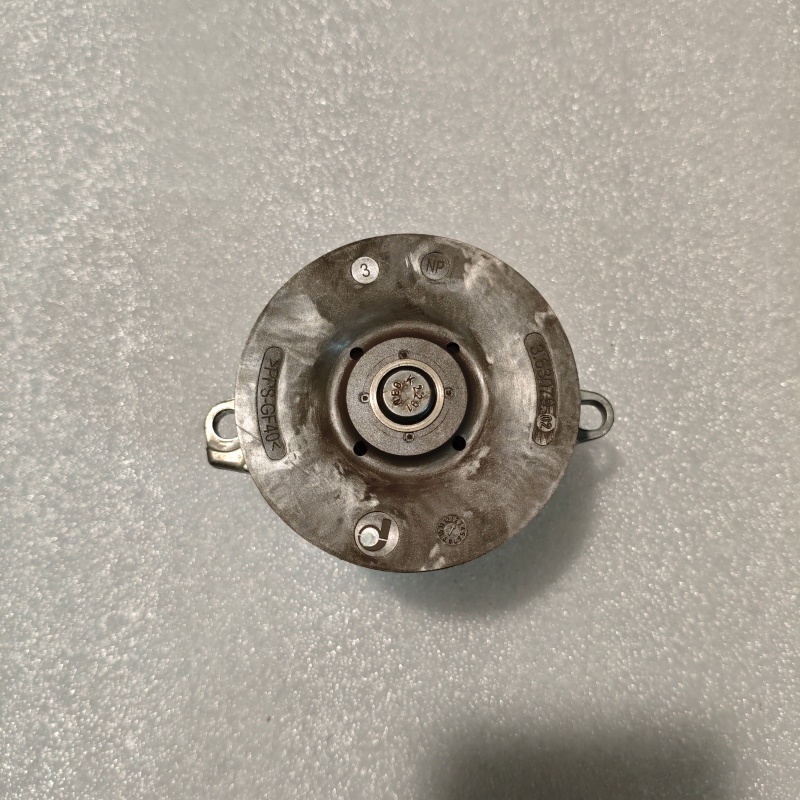
Beyond containing combustion gases, these components also manage engine oil. They scrape excess oil from the cylinder walls on the piston’s downstroke, returning it to the sump to prevent it from entering and burning in the combustion chamber—a process that would lead to excessive oil consumption and blue exhaust smoke. Simultaneously, they leave a thin, vital film of oil to lubricate the piston’s travel and minimize friction and wear. Furthermore, piston rings facilitate efficient heat transfer, drawing heat away from the piston crown and dispersing it through the cylinder walls to the engine’s cooling system.
Therefore, the integrity of the Piston Rings 1/ Vehicle is paramount. Worn or damaged rings result in a cascade of problems: loss of power, increased oil consumption, poor fuel economy, and elevated emissions. For any engine rebuild or performance enhancement project, selecting the correct set of piston rings—whether standard, low-tension for efficiency, or high-performance variants—is a decisive step. They are not merely spare parts but essential engineering components that ensure the sealed, efficient, and durable operation of the heart of your vehicle.