In the realm of high-performance and off-road vehicle applications, achieving perfect drivetrain harmony is paramount. The principle of "Front Reduction = Rear Reduction R/L" is not merely a suggestion but a critical engineering guideline for systems utilizing a transfer case to drive both axles. This equation represents the necessity of maintaining identical final drive ratios between the front and rear differentials when the vehicle is operating in four-wheel drive modes.
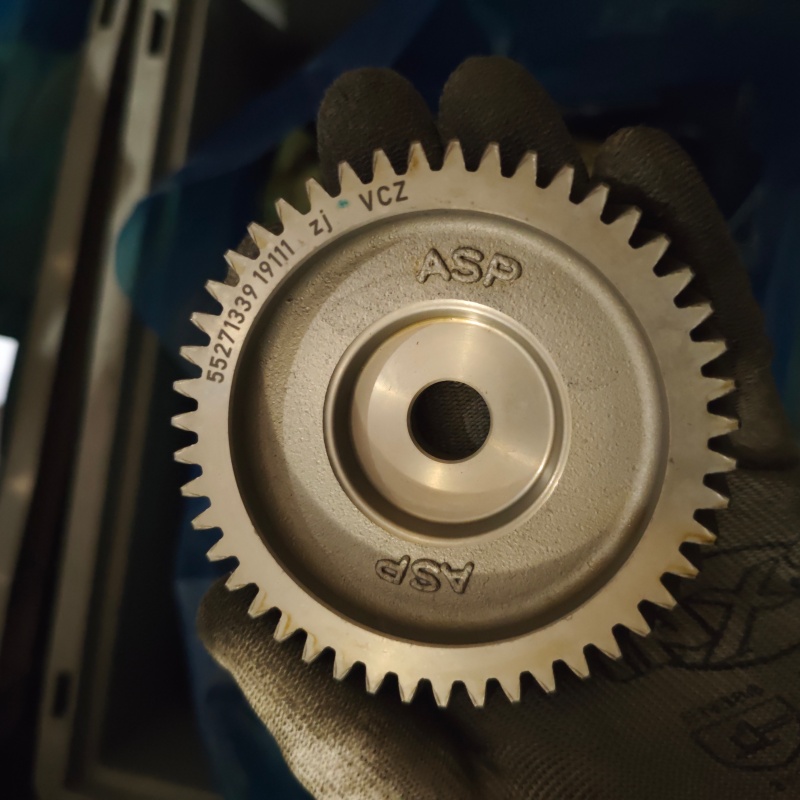
When the front and rear reduction ratios are mismatched, a condition known as "drive train bind" occurs. In a 4WD system, the front and rear output shafts from the transfer case are mechanically locked together, forcing them to rotate at the same speed. If the final effective gear ratio at the wheels is not equal, one axle will inherently try to rotate faster or slower than the other. Since the locked drivetrain prevents this speed differential, tremendous stress is introduced into the axles, driveshafts, transfer case, and tires. This leads to premature wear, component failure, unpredictable handling, and excessive tire scrub, especially on high-traction surfaces.
Therefore, when selecting replacement or upgraded ring and pinion gears for either axle, it is absolutely essential to verify that the new Front Reduction ratio mathematically equals the Rear Reduction ratio. This ensures that power is distributed smoothly and efficiently, protecting your investment and optimizing vehicle performance. Always consult application guides and technical specifications to maintain this balance, guaranteeing your 4WD system operates as designed, with synchronized power delivery to all four wheels.